towards minor gestures: intensities in the making
Showcasing the 10 recipients of the Emerging Artists Award 2024 (EAA+)
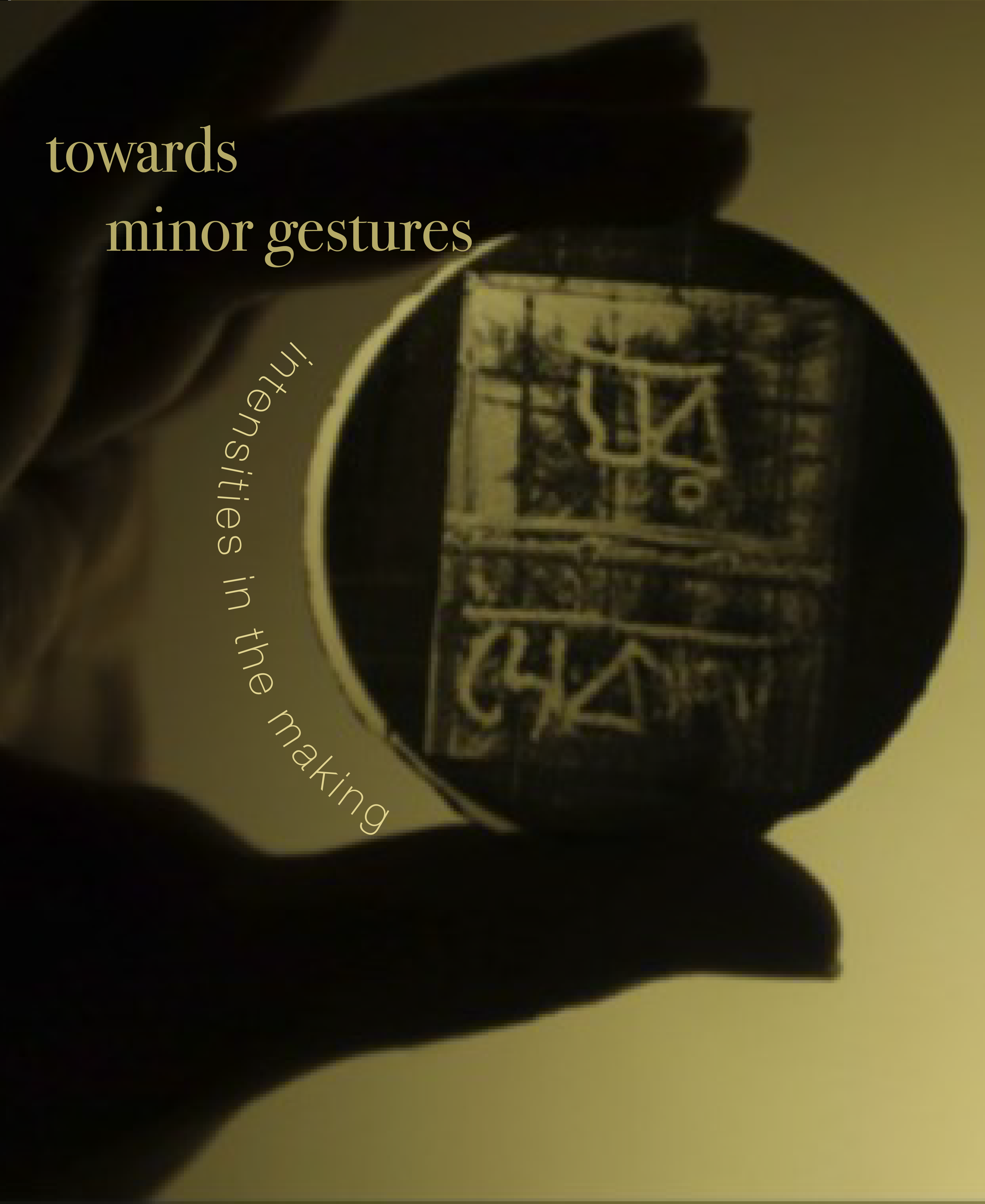
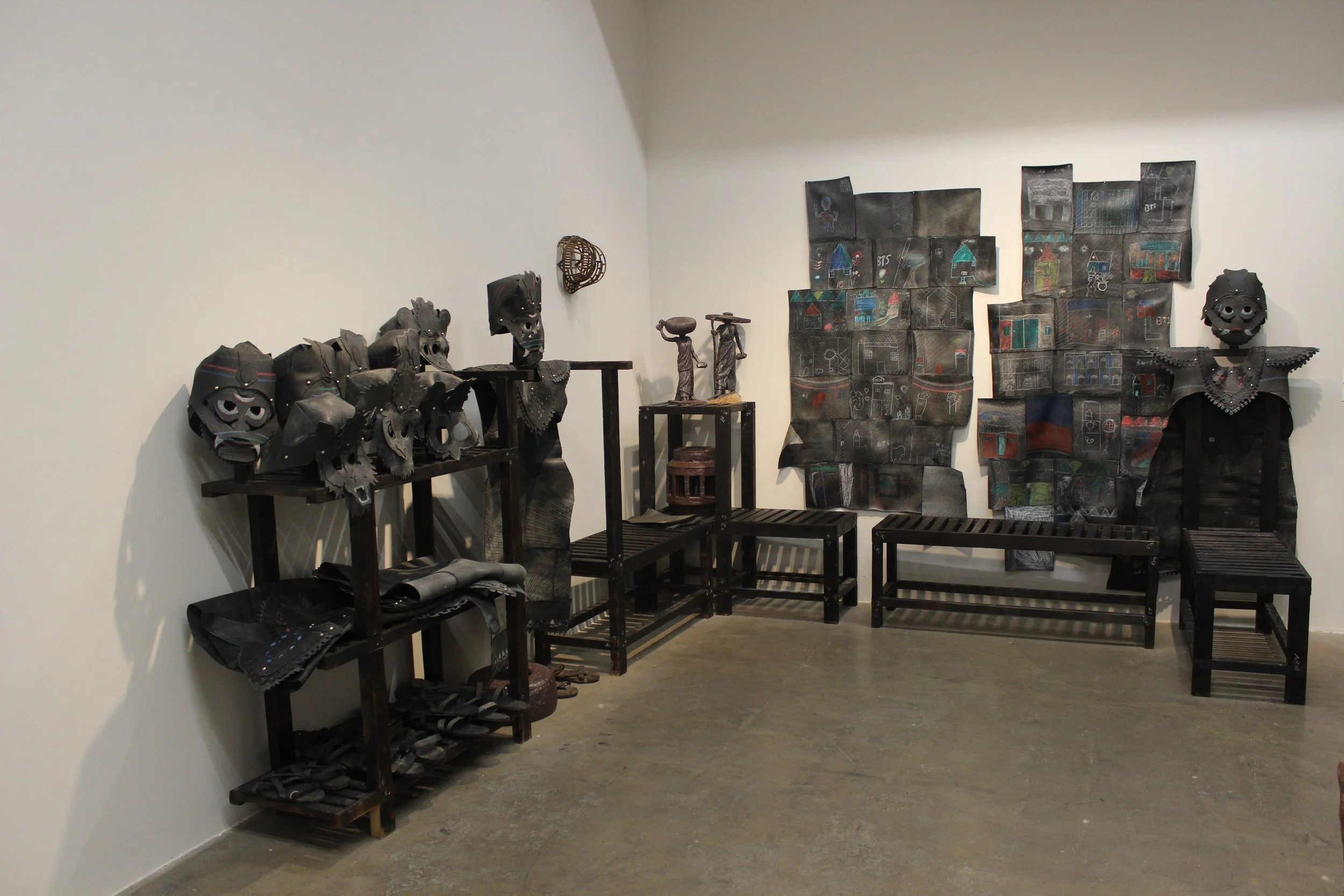
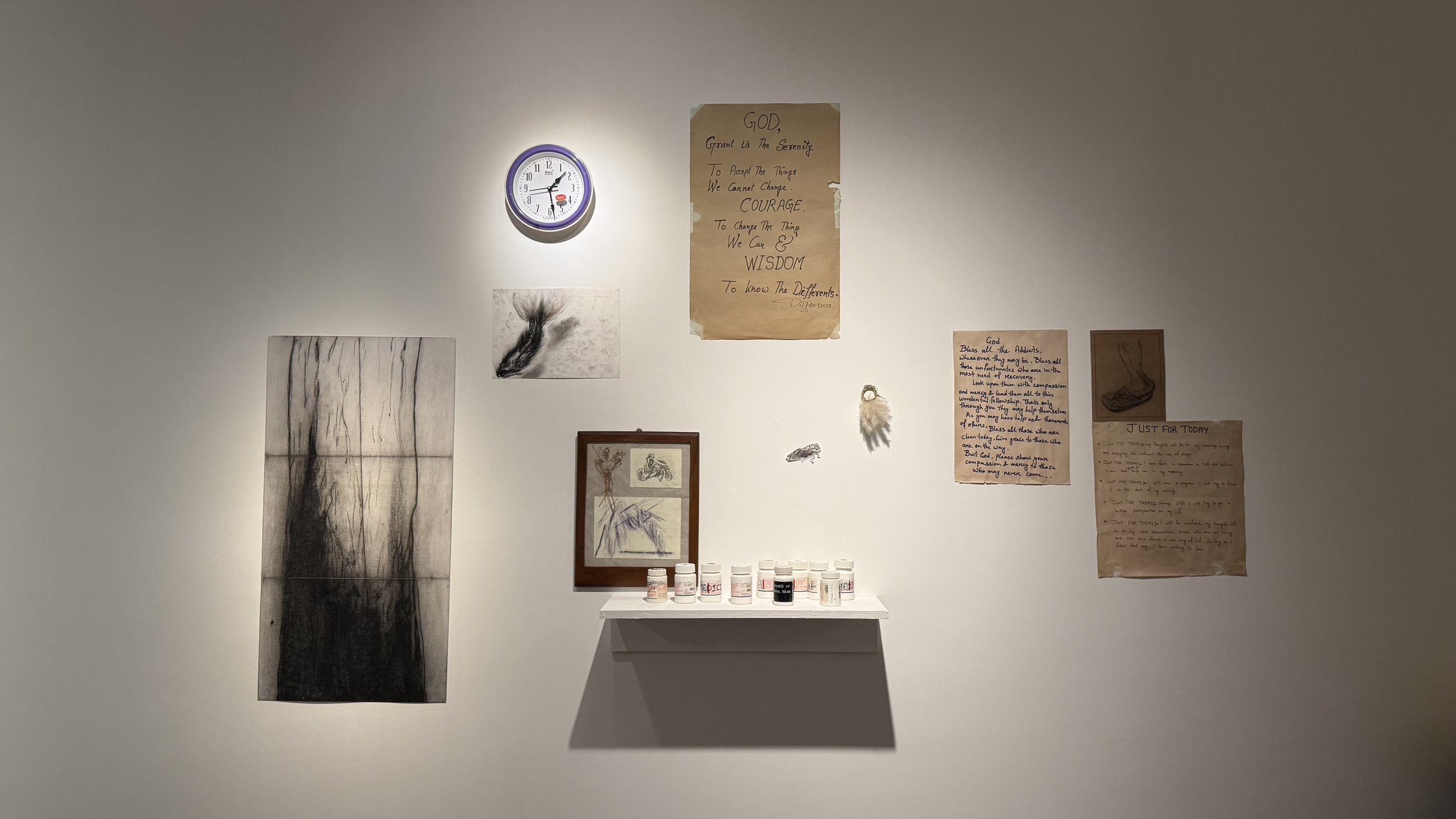
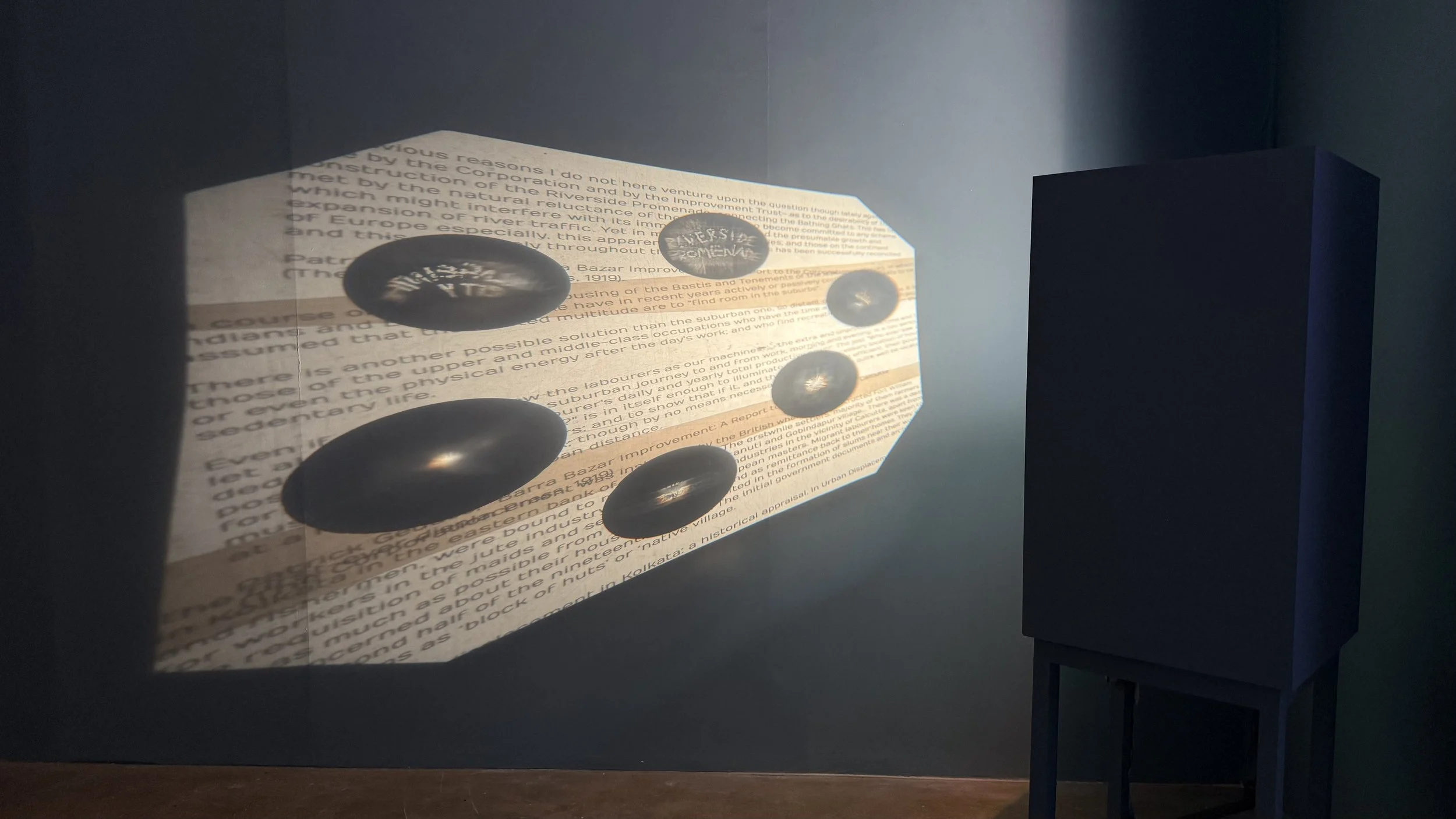
Image credits: Soumava Das, Detail from installation Meanwhile Spaces: Between a View Obscure and A Vision Pure, 2026
towards minor gestures
intensities in the making
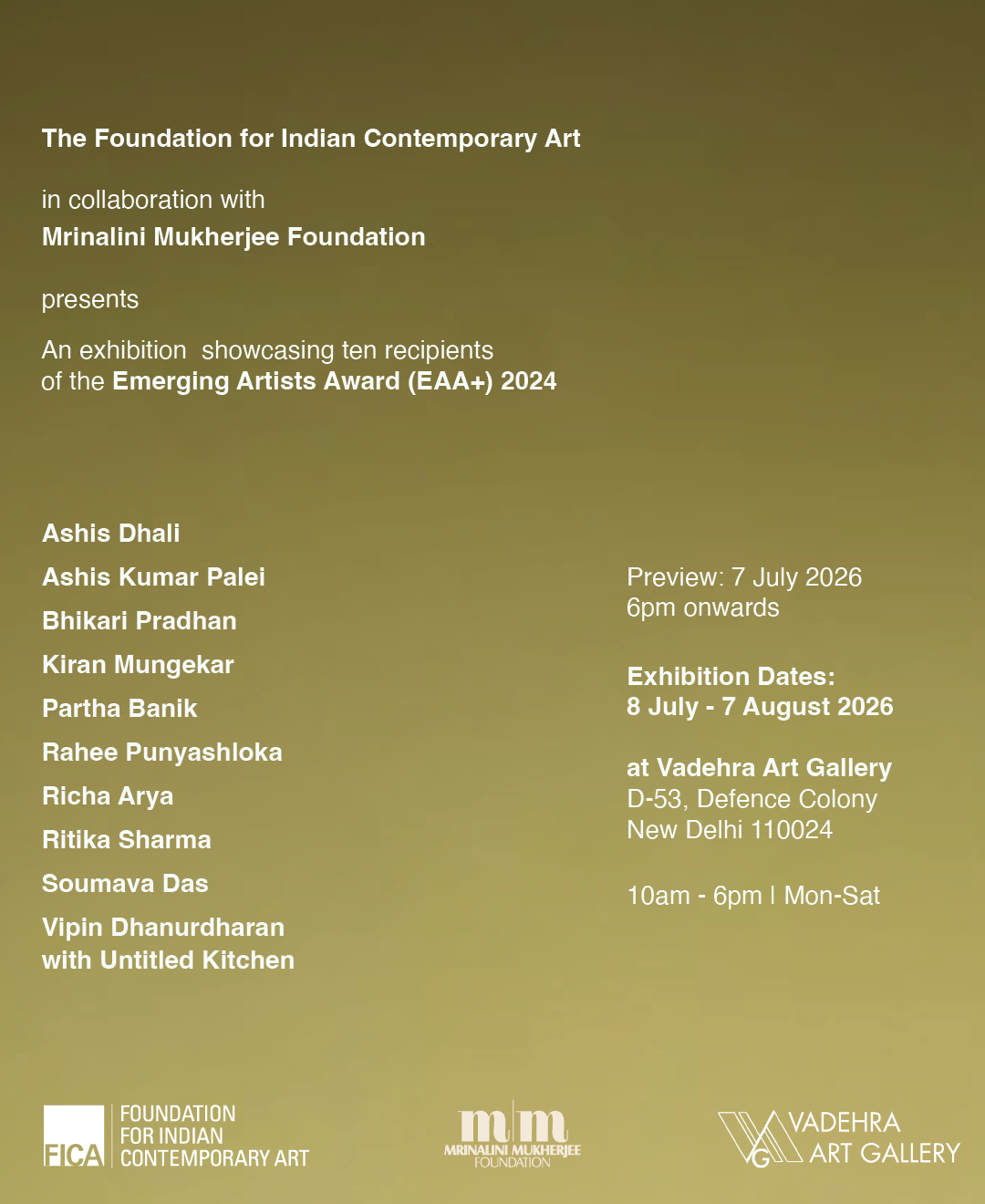
An exhibition showcasing the 10 recipients
of the Emerging Artists Award 2024
Preview: 7 July | 6pm onwards
Exhibition Dates:
8 July - 7 August 2026
10 am - 6 pm | Mon - Sat
at Vadehra Art Gallery,
D 53 Defence Colony, New Delhi
Participating artists: Ashis Dhali | Ashis Kumar Palei | Bhikari Pradhan | Kiran Mungekar | Rahee Punyashloka | Richa Arya | Ritika Sharma | Partha Banik | Soumava Das | Vipin Dhanurdharan with Untitled Kitchen
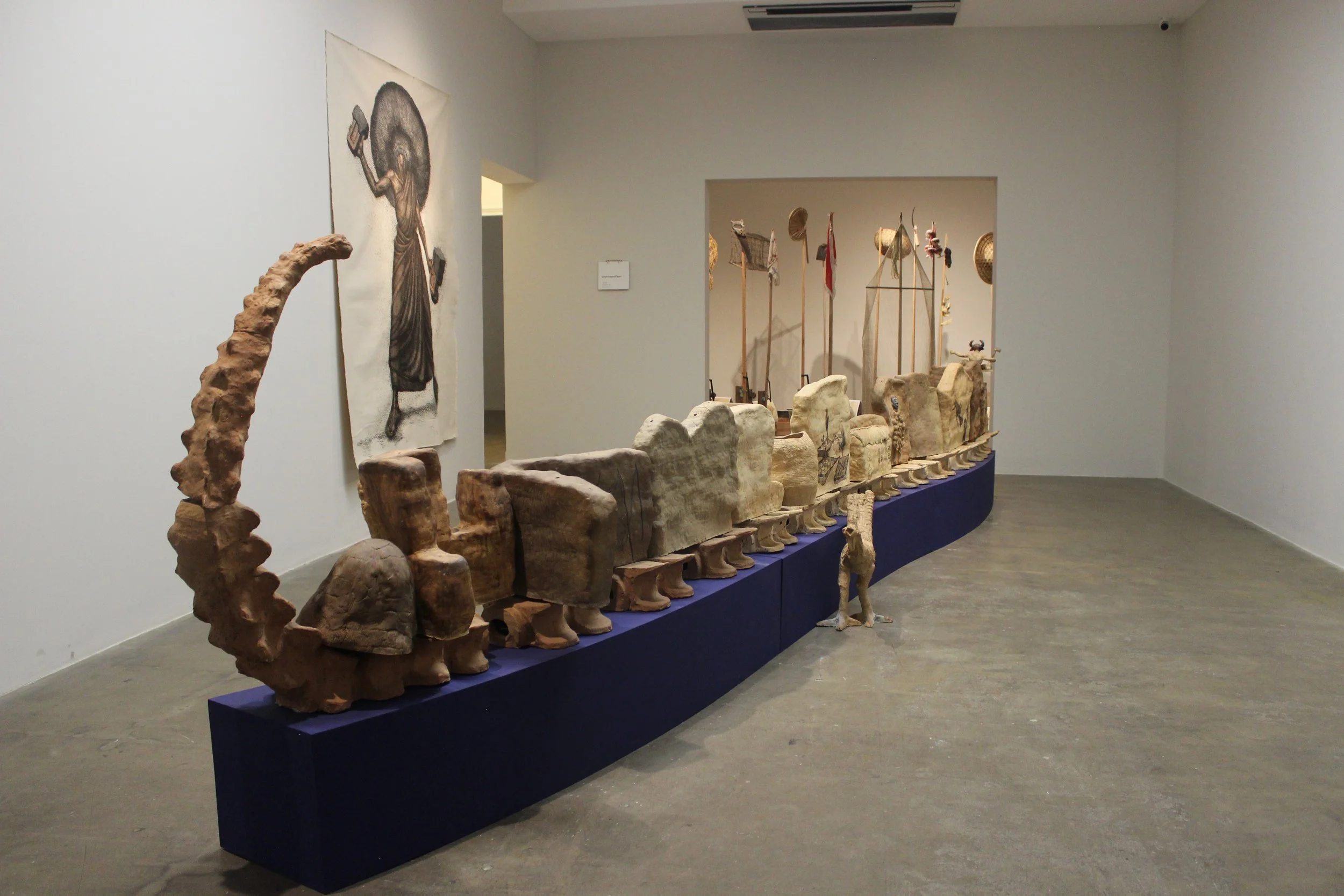
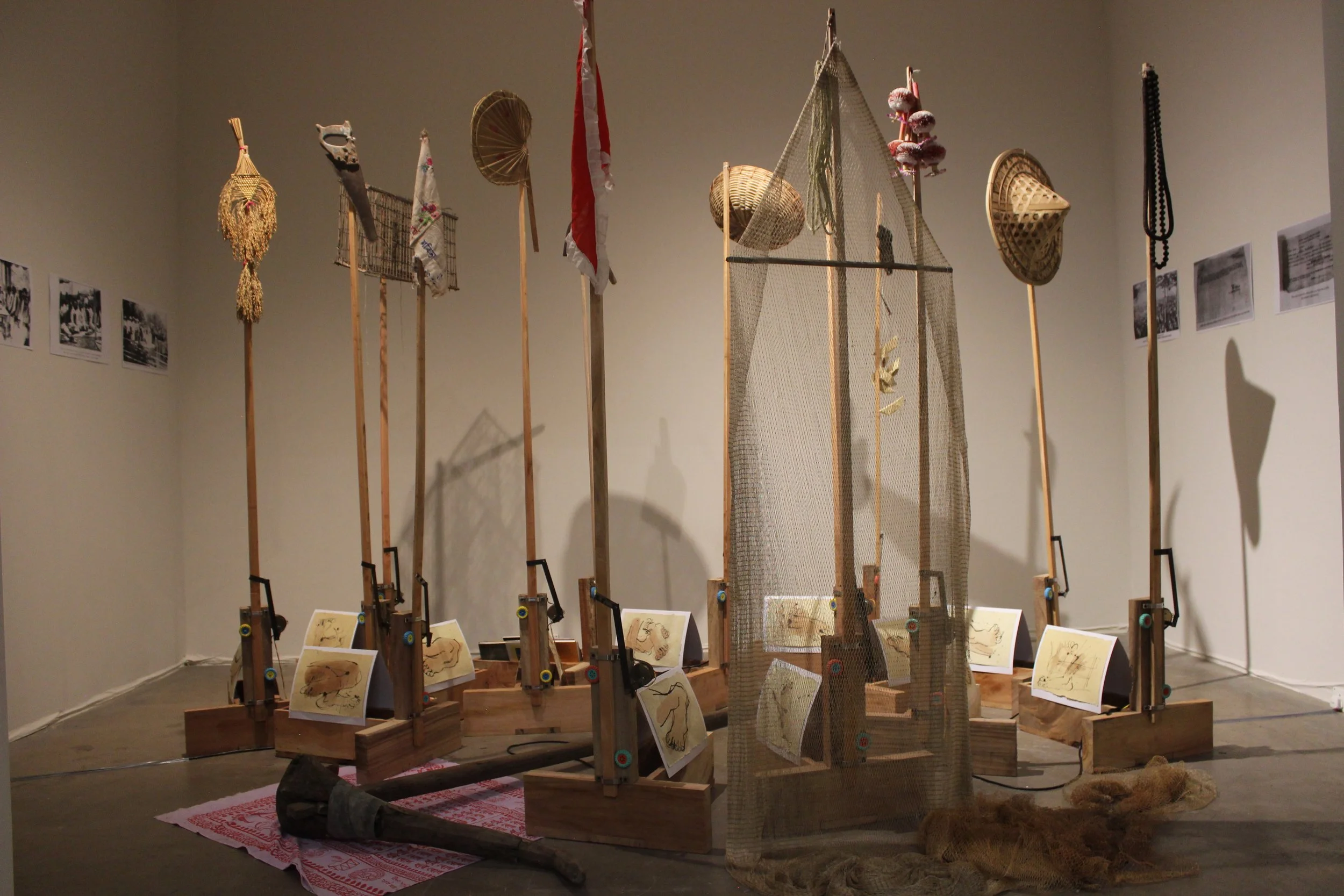
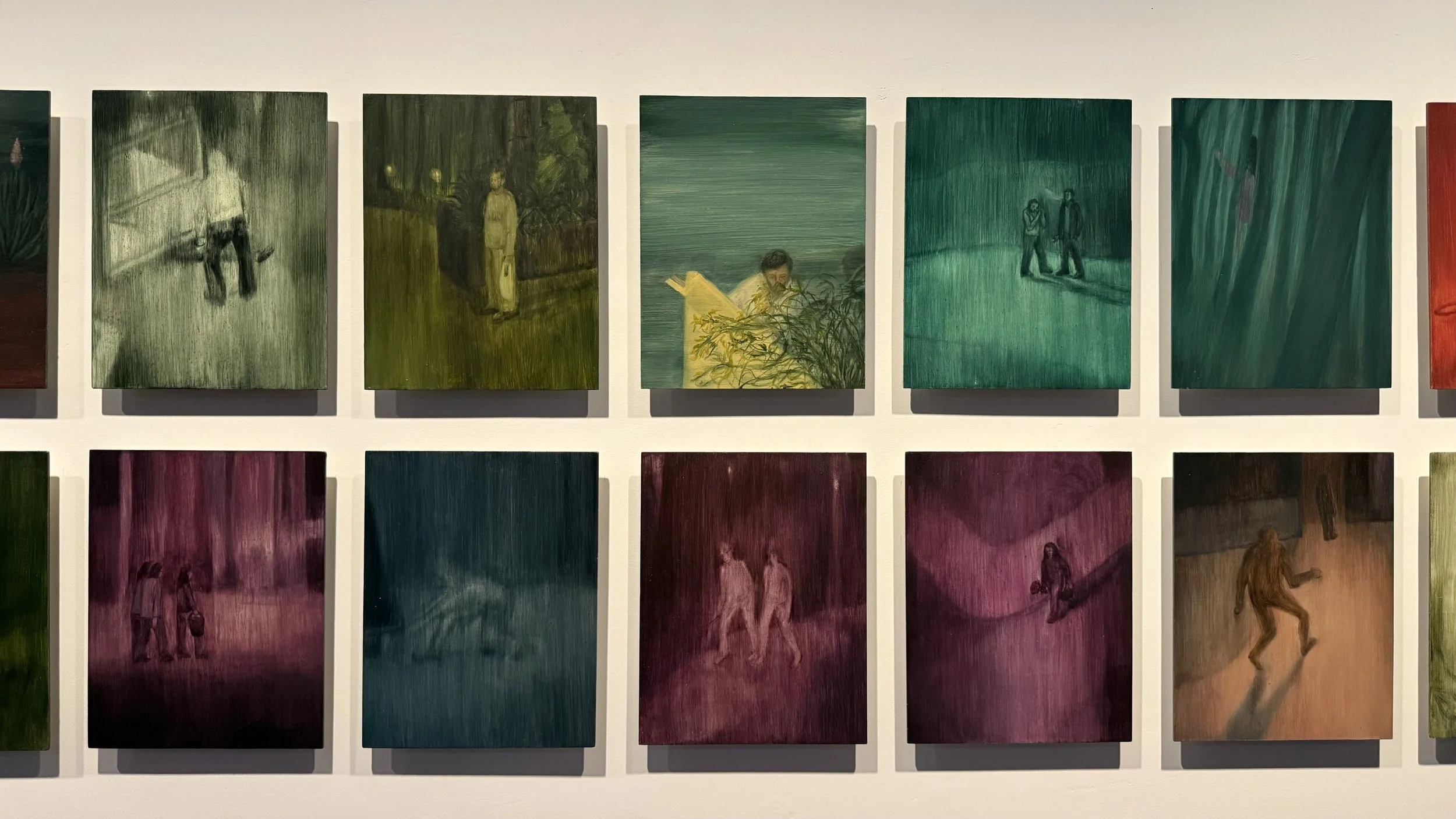
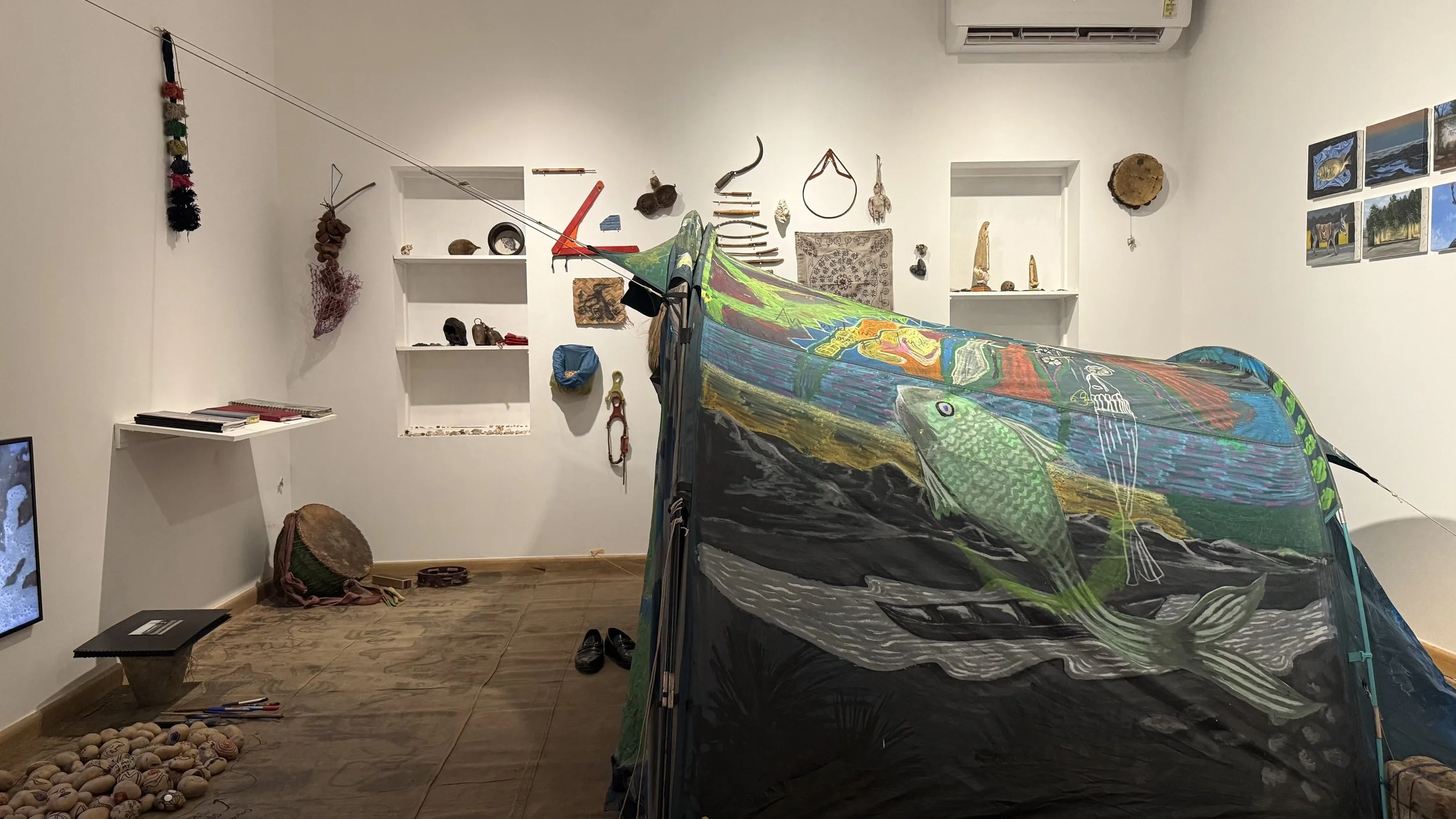
This exhibition is a critical part of the EAA+ programme that builds engagement with young artists within a peer-led model of dialogue, exchange, mentorship and making. As the cumulative point of the forum, the exhibition serves as a space to gather all of the explorations, convergences and relationalities that have emerged from the shared cohort experience into a collaborative, collective articulation. The practices within this exhibition span engagements with various registers of image-making and image encounters, different forms of space-making, research and documentation-based outcomes, as well as discursive, participatory encounters. The exhibition will be presented alongside active programming through a variety of artist interventions, workshops, and dialogues.
Guided by Erin Manning’s notion of the minor gesture, the exhibition wishes to consider the different ways in which practices hold themselves in movement, mapping the shifts of its internal rhythms and inclinations, tuning into the forces that sit within the interstices of its many possibilities—gently orienting us towards probable conditions for encounters with the ineffable, the more-than, and that which is felt before it is known. For Manning, it is the indeterminacy and speculative potential of the minor gesture that generates an opening for difference to be articulated
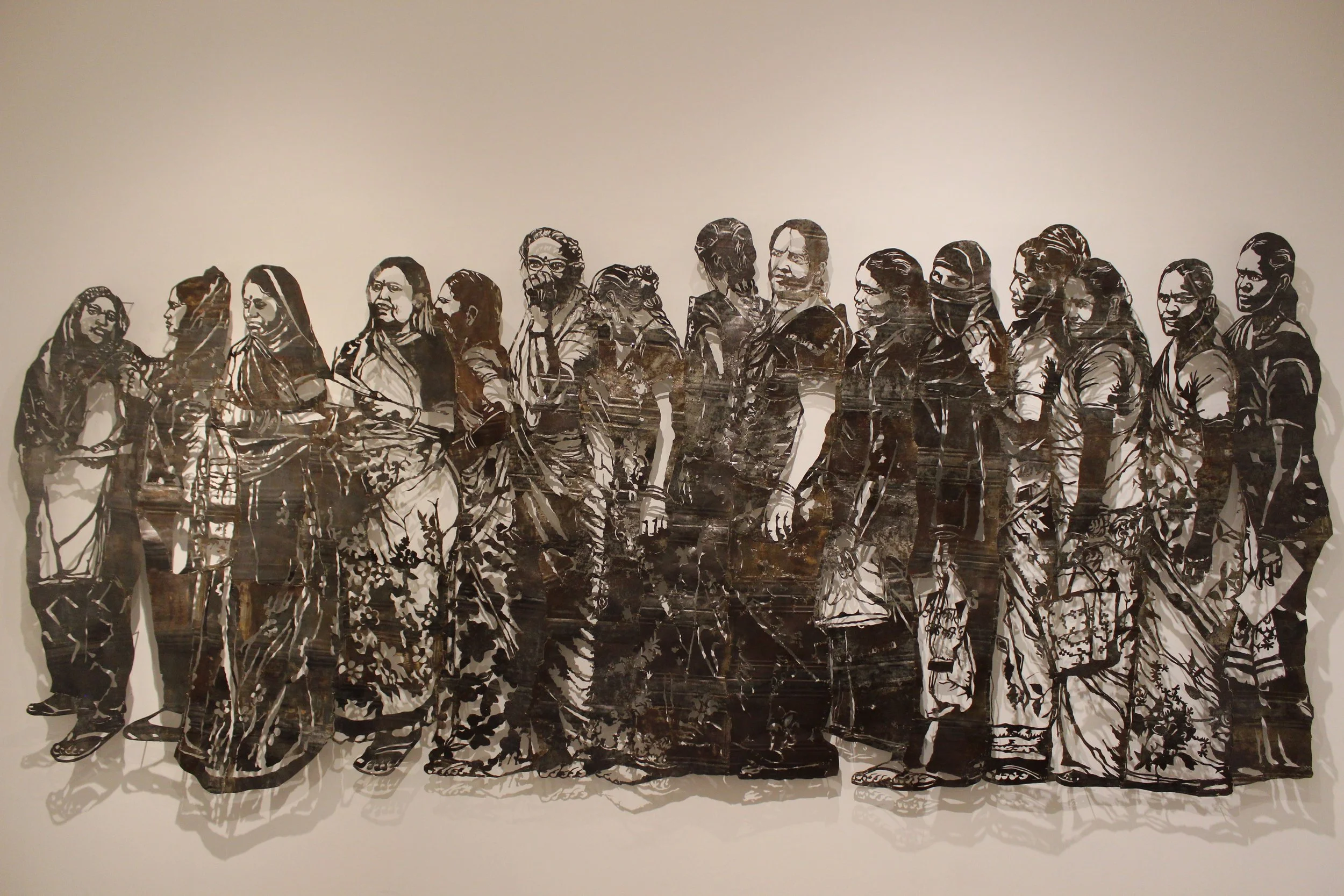
The exhibition considers what it means to think in relation with one another and come together in active inquiry. It reads this field as continually incipient, active with tendencies and agitations that hold the potential for different affective coordinates for perception and experience to come into being. It is interested in temporary ruptures, interruptions, punctuations, and ephemeral ripples that stretch and inflect the fabric of experience, allowing for leakages, accumulations, and intensities to generate new resonances for articulation. The practices sit with refusals and insurgent desires; they contend with the act of inheritance—negotiating different modes of carrying stories and histories forward; they parse through different methodologies and processes of dialogue and research, in their engagements with archives, political histories, and pedagogy. They perform excavatory acts, staging sites for the speculatory. Scraps, residue, fragments, memory and facsimiles are constructed and reconstructed to propose multiple relationalities.
We are grateful to all the artists for their participation and for the thoughtful works produced for the exhibition.
Acknowledgements
The EAA+ platform is organised by Foundation for Indian Contemporary Art, in collaboration with the Mrinalini Mukherjee Foundation.
We are grateful to Sher-Gil Sundaram Arts Foundation for coming on board as Residency Partner for EAA+ 2024 and EAA+ 2026.
We thank Vadehra Art Gallery for their support in hosting the exhibition
For more details regarding the exhibition please contact info@ficart.org
A look back at our programmes
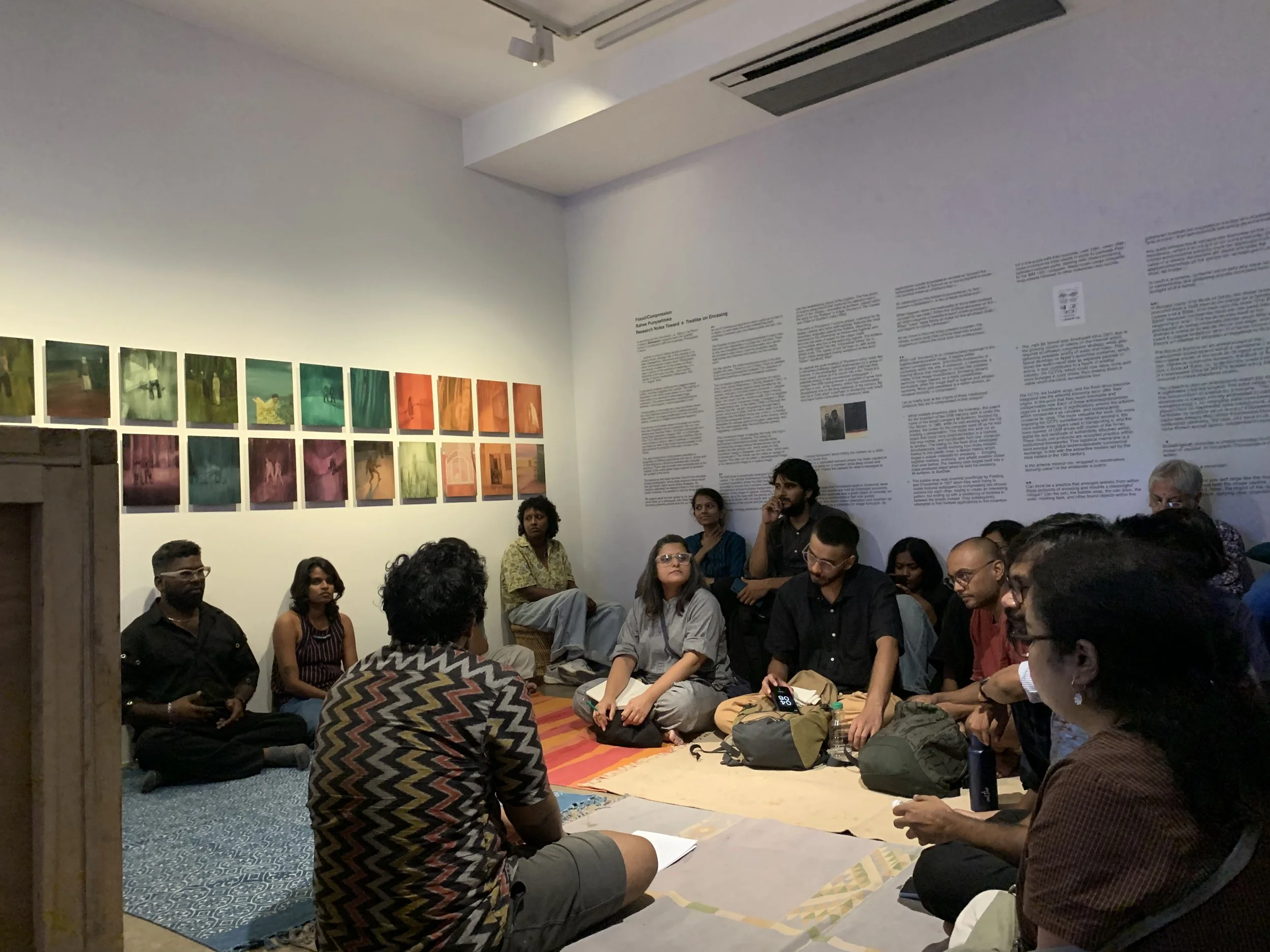
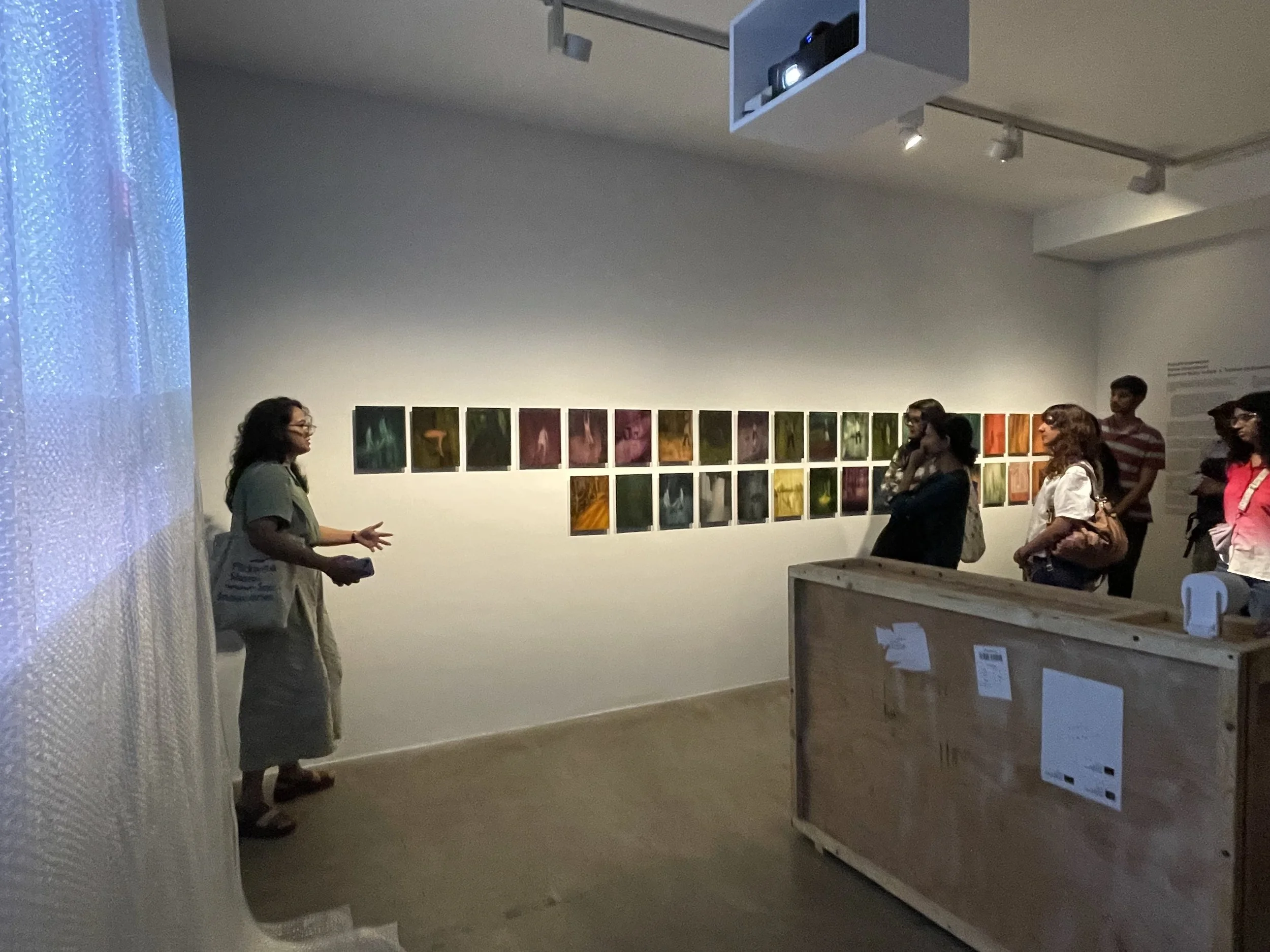
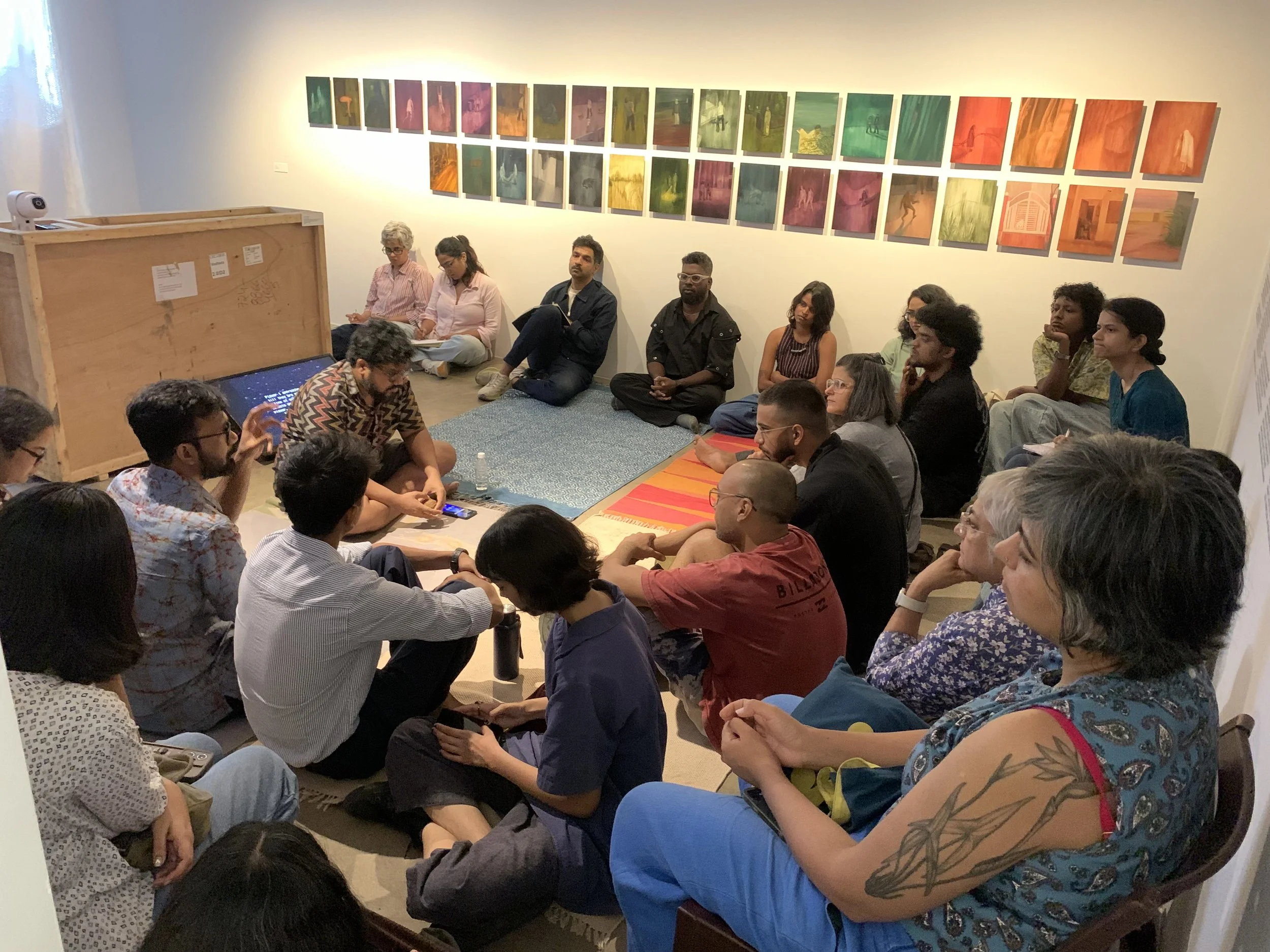
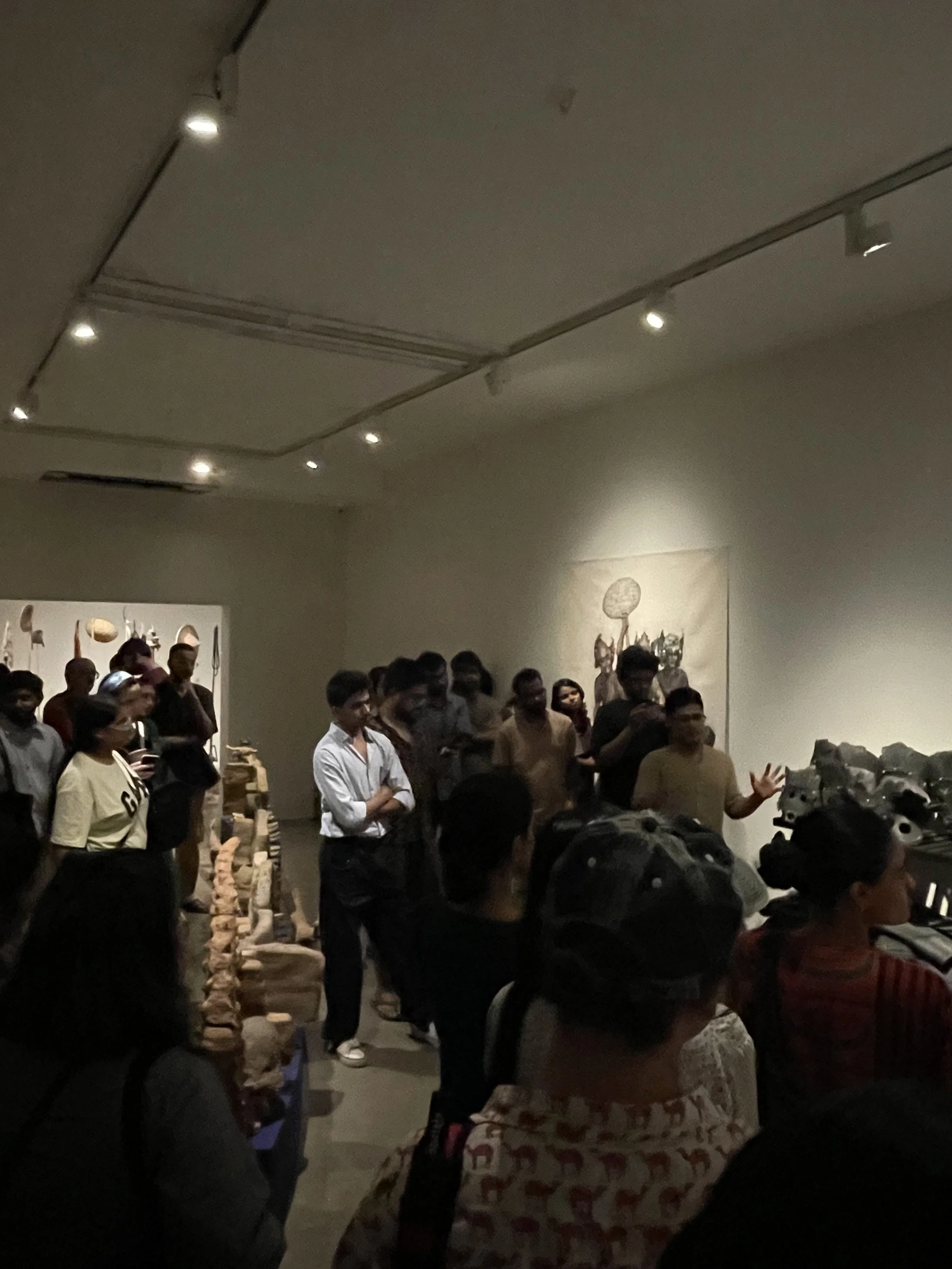
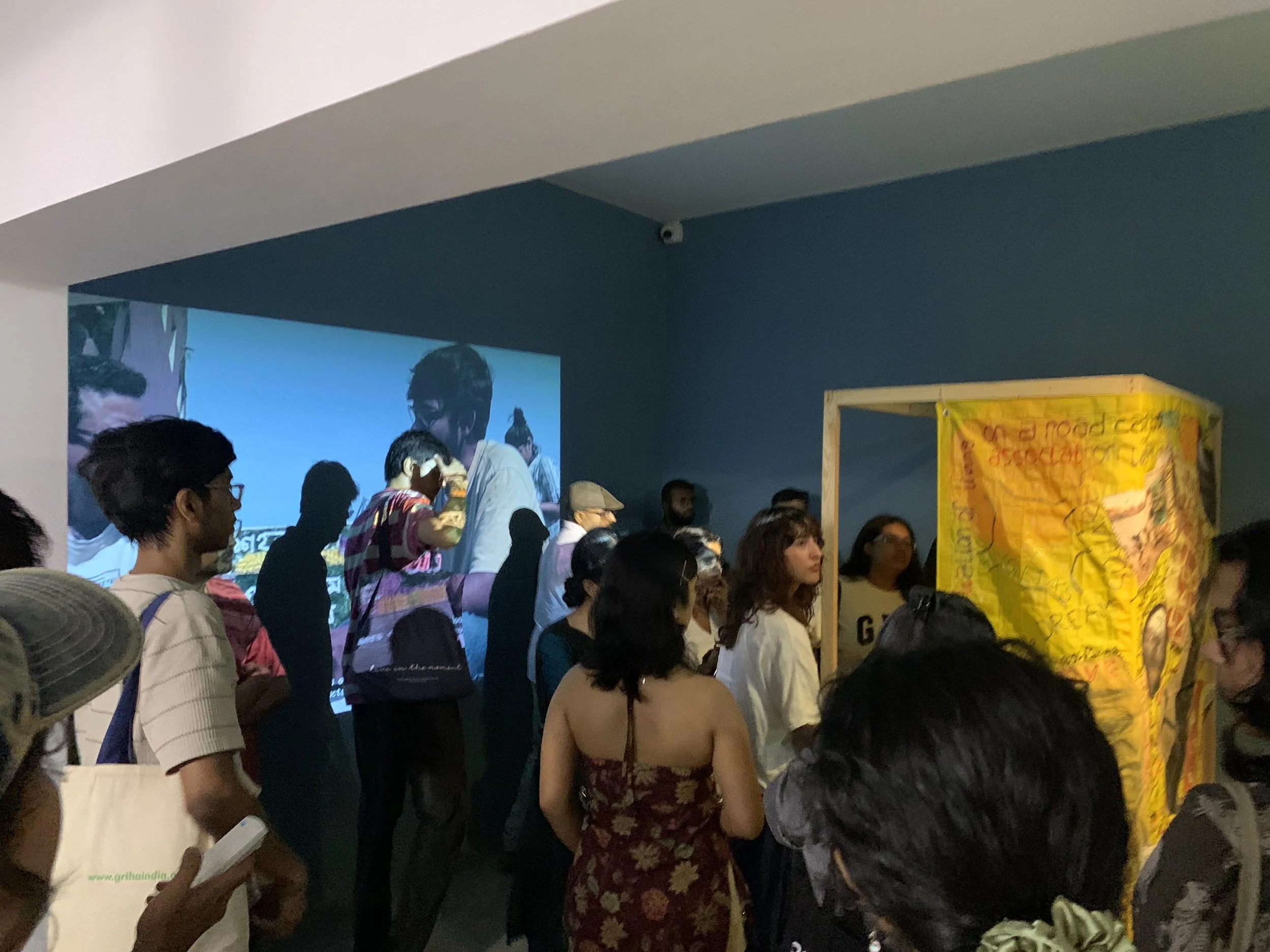
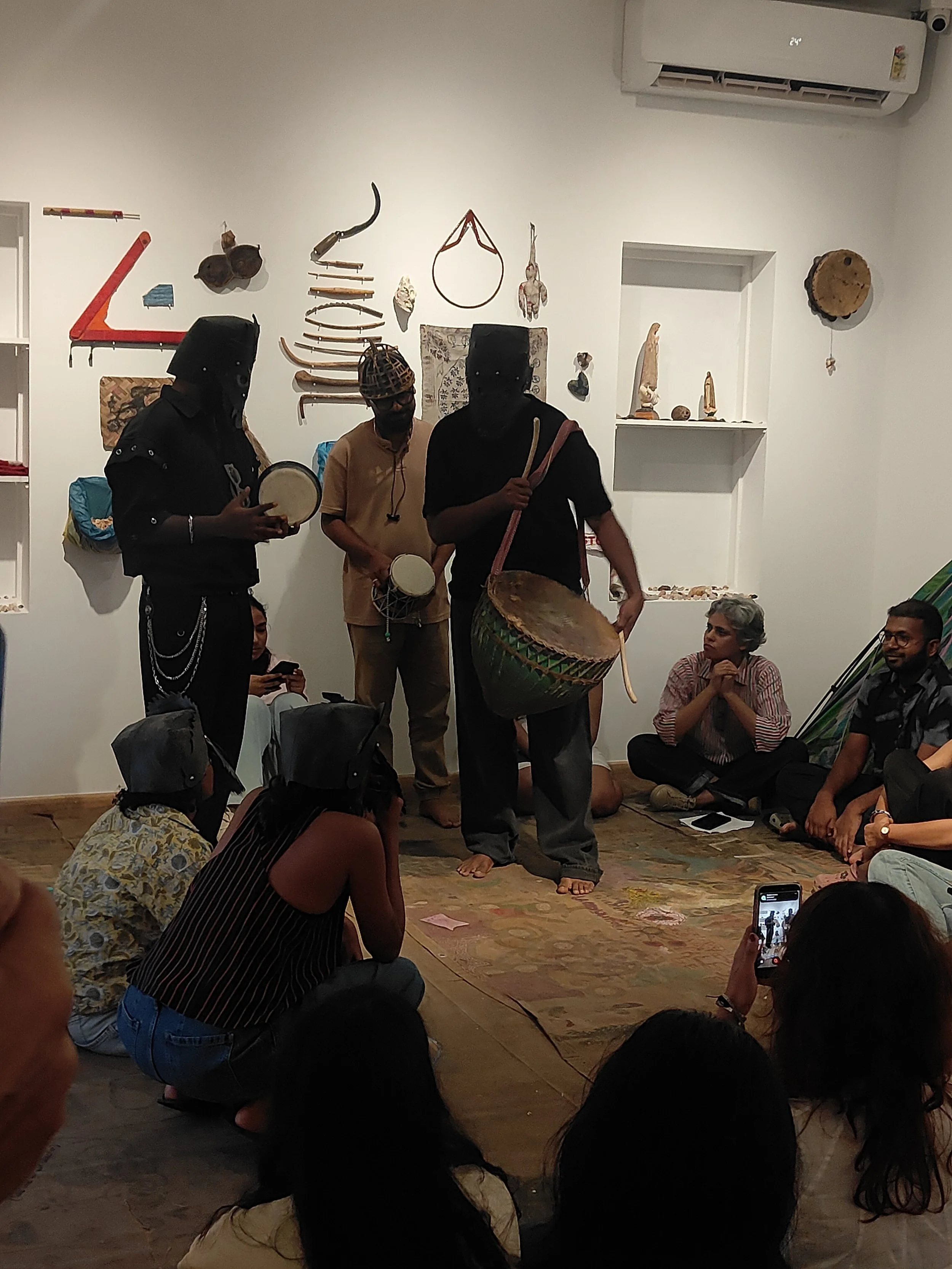
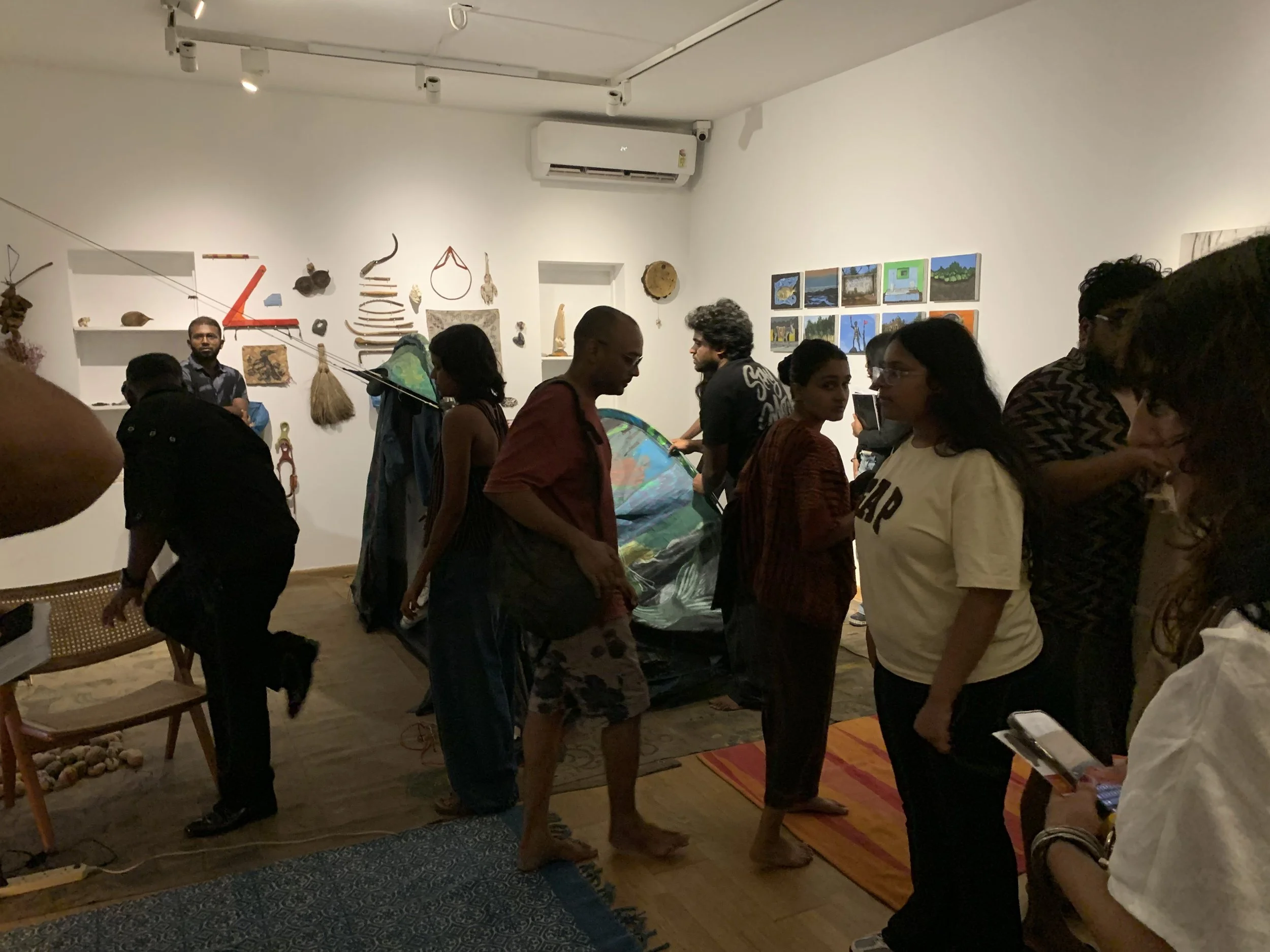
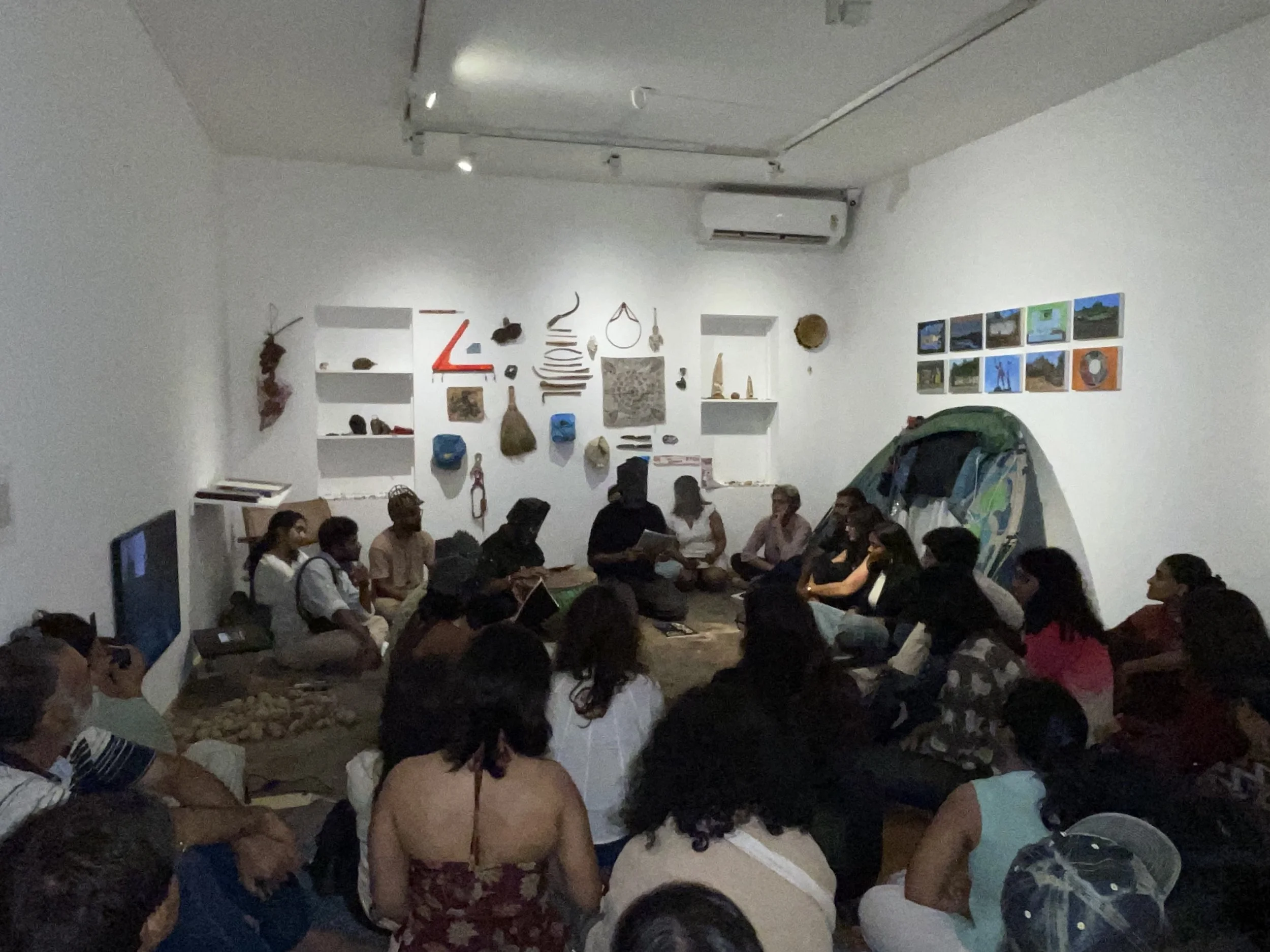
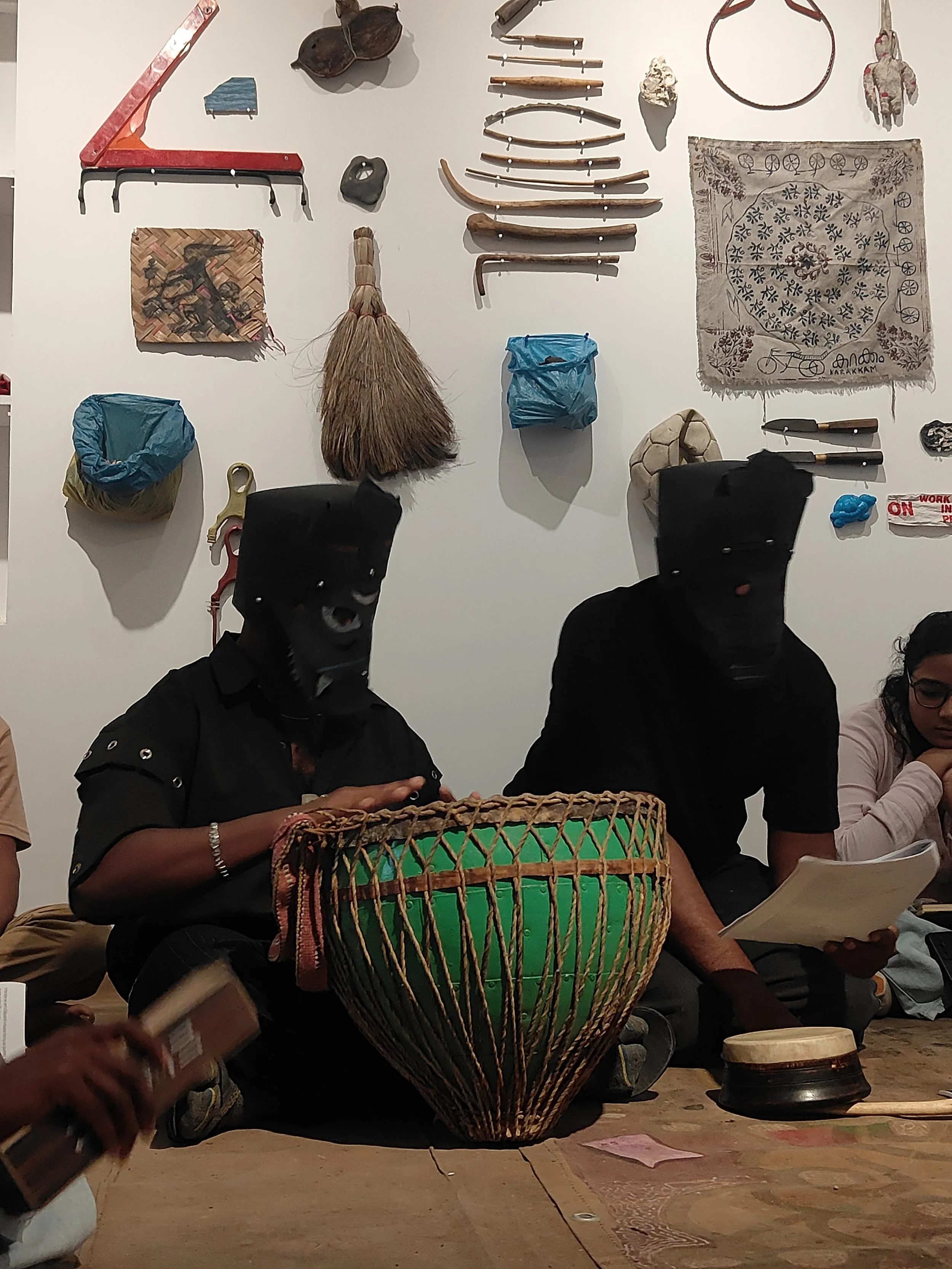
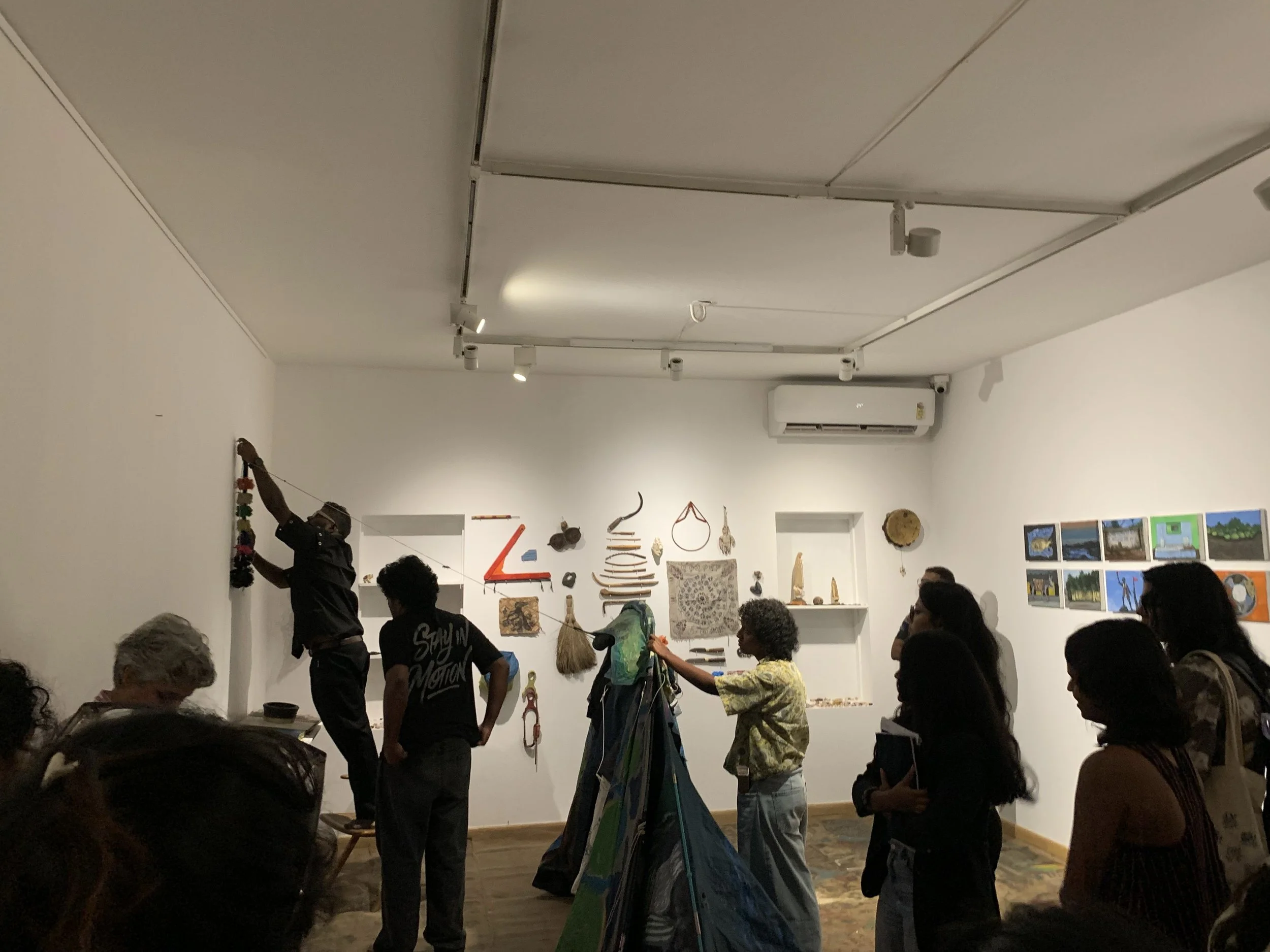
Espirit de Corps and a spectacular assemblage: A reading session with Rahee Punyashloka and Soumava Das followed by an exhibition walkthrough and interactive session with Untitled Kitchen
This session brings two artistic enquiries around the spectacular assemblage as it pertains to bodily remediation into dialogue. Soumava delves into the formulation of body in the town-planning reports and in the narratives of land improvements. Rahee speculates what the diagram of the body could be when it’s entangled in the web of extraction, surveillance, and the Brahmanical gaze.
Through an assembly of various elements from the exhibited projects, dialogue between the two practices, as well as readings from various sources, the two tried to infer what the image of the body to come, can be.
This was followed by a public walkthrough with participating artists culminating in an interactive session with Untitled Kitchen involving reading, singing, drawing and conversation as part of their continued practice towards creating unending camaraderies.
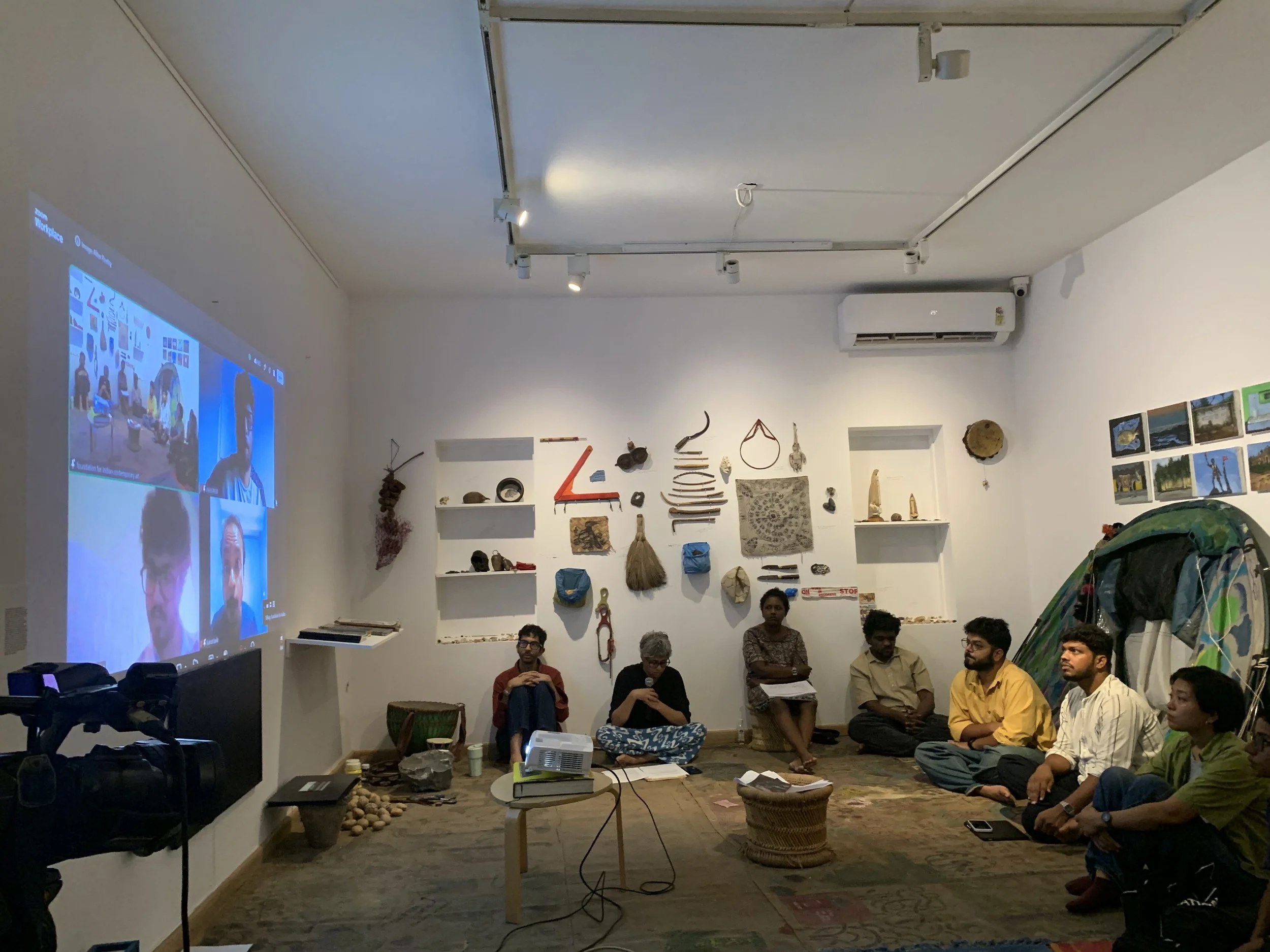
Image After Poetry—On building Solidarities
A workshop with Ashis Kumar Palei, Chandan Nag, and Subrat Barik
Emerging out of long-standing creative exchanges where Palei has illustrated book covers for Chandan Nag’s first poetry collection ‘BAARAN’, as well as Subrat Barik’s first anthology of poems ‘Janahitare Jari’, the session reflected on how artistic and literary practices can come together in shared immersion, imagination and articulation. Through conversations, poetry reading, writing prompts, and drawing exercises, participants moved between text and image, considering how each medium shapes and transforms the other.
Chandan Nag is an anti-caste Ambedkarite activist & poet born in the small village of Sonepur, Odisha. After completing his masters in Sociology, he is currently working with India Post.
Subrat Barik is an Ambedkarite activist and poet, born in a village called Atigaon in Odisha. He is currently working as a teacher in a primary school.
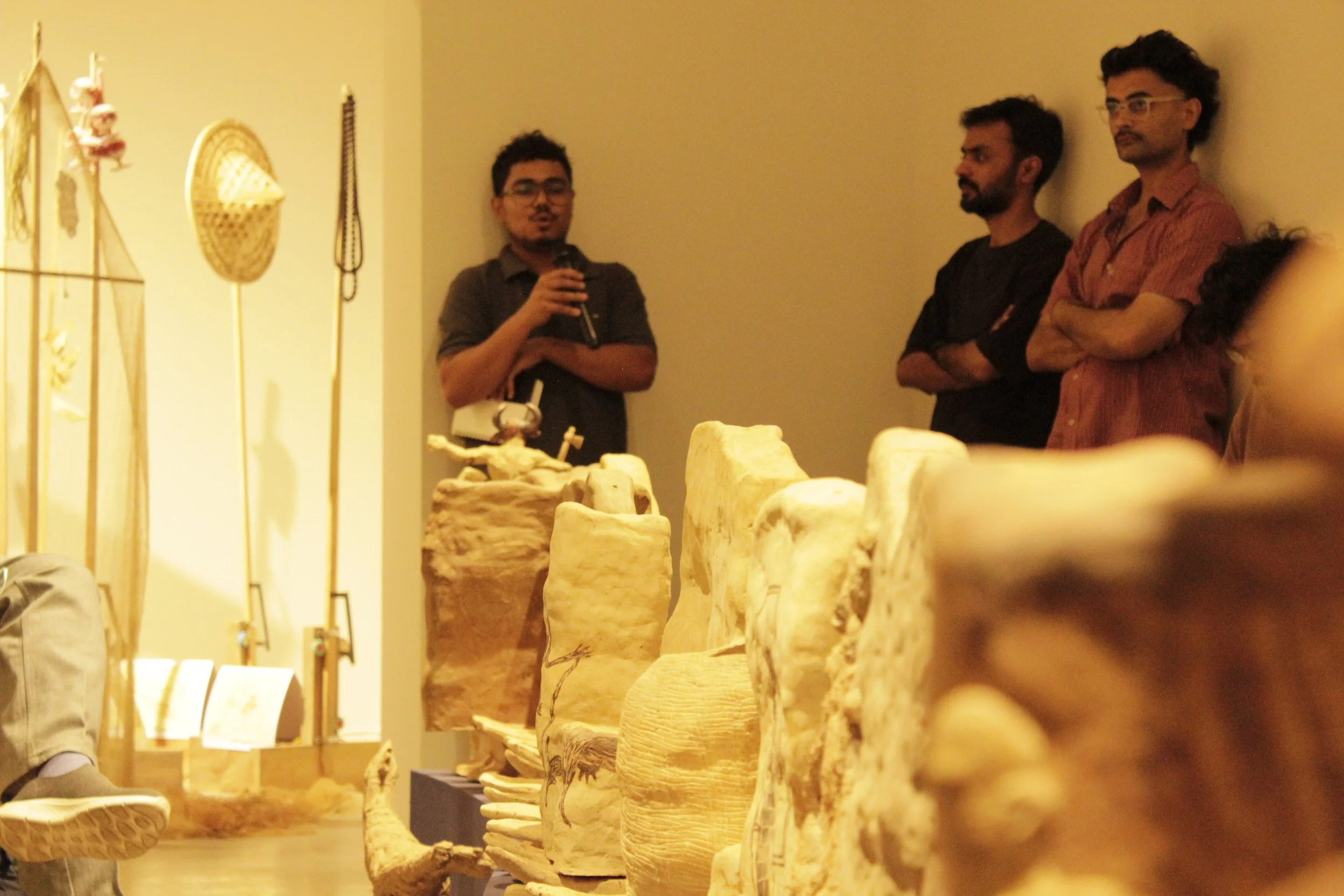
Open conversation on Art Pedagodgy
in conjunction with Bhikari Pradhan’s installation Sweat Room
Sweat Room is an interactive hybrid space conjured in Bhikari’s mind with the coming together of a classroom and a Kotha Ghar (a theatre space, specifically the green room within it).
The two pedagogical worlds produce different kinds of knowledge, embodiment and cultural capital. Bhikari invited everyone to think of these sites of preparation —what dispositions, orientations and capacities are being cultivated in them? Prof. Brahma Prakash (cultural theorist and Assistant Professor, School of Arts and Aesthetics, Jawaharlal Nehru University, New Delhi) began the session with opening remarks, followed by a discussion with various educators, pedagogues, artists and audience members present.
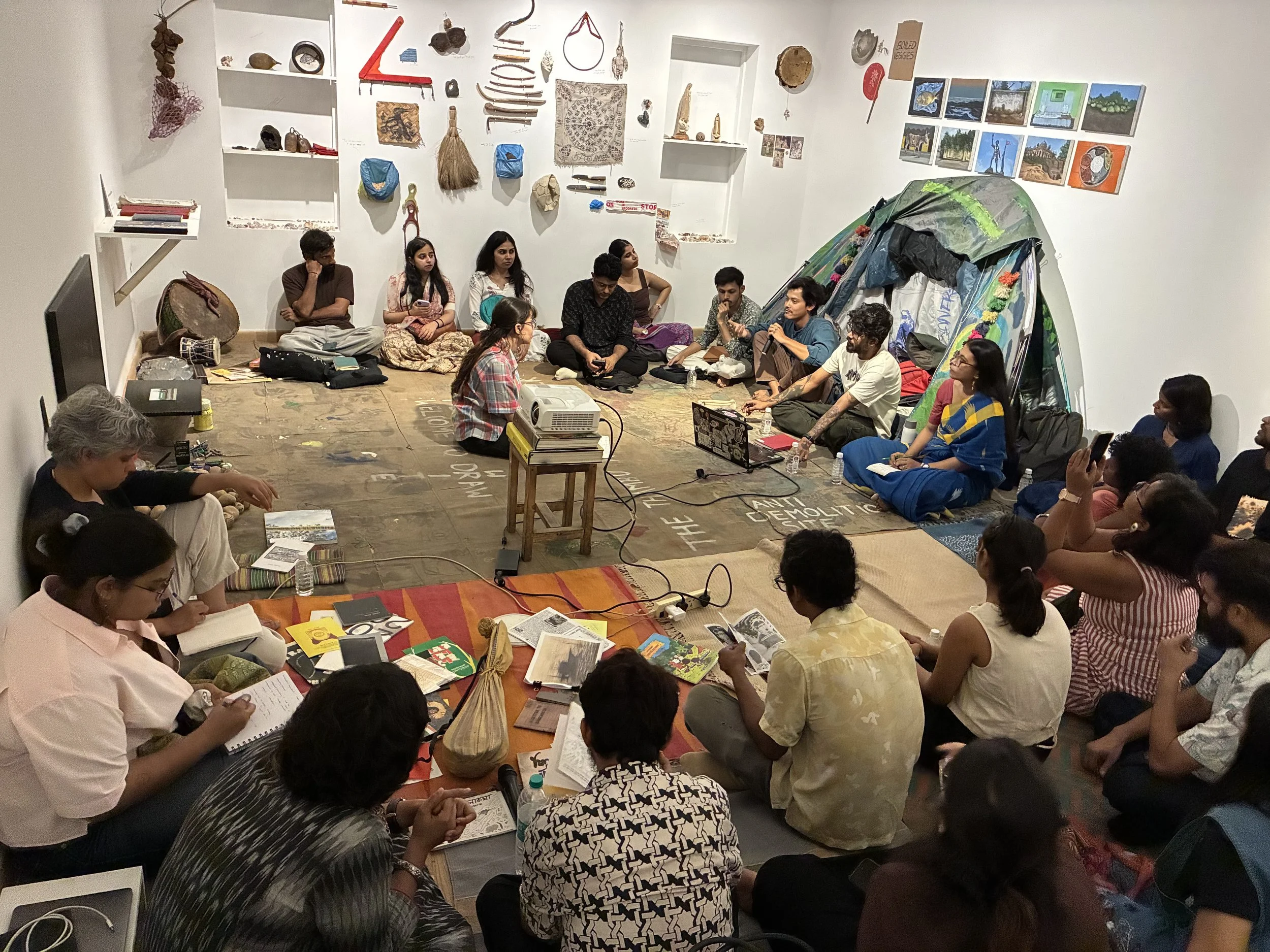
A dialogue with Cross Cat Collective (Partha Banik) and জমায়েত/zmayet (Tilottama B.)
Moderated by Sabar Saluja
In collaboration with Reunion in the form of Exchange / Within Cohesive Correspondence.
An open conversation around the landscape of independent self-publishing and the ecosystem of comics, zines, and paper culture between Tripura and Dhaka and their neighbouring regions.
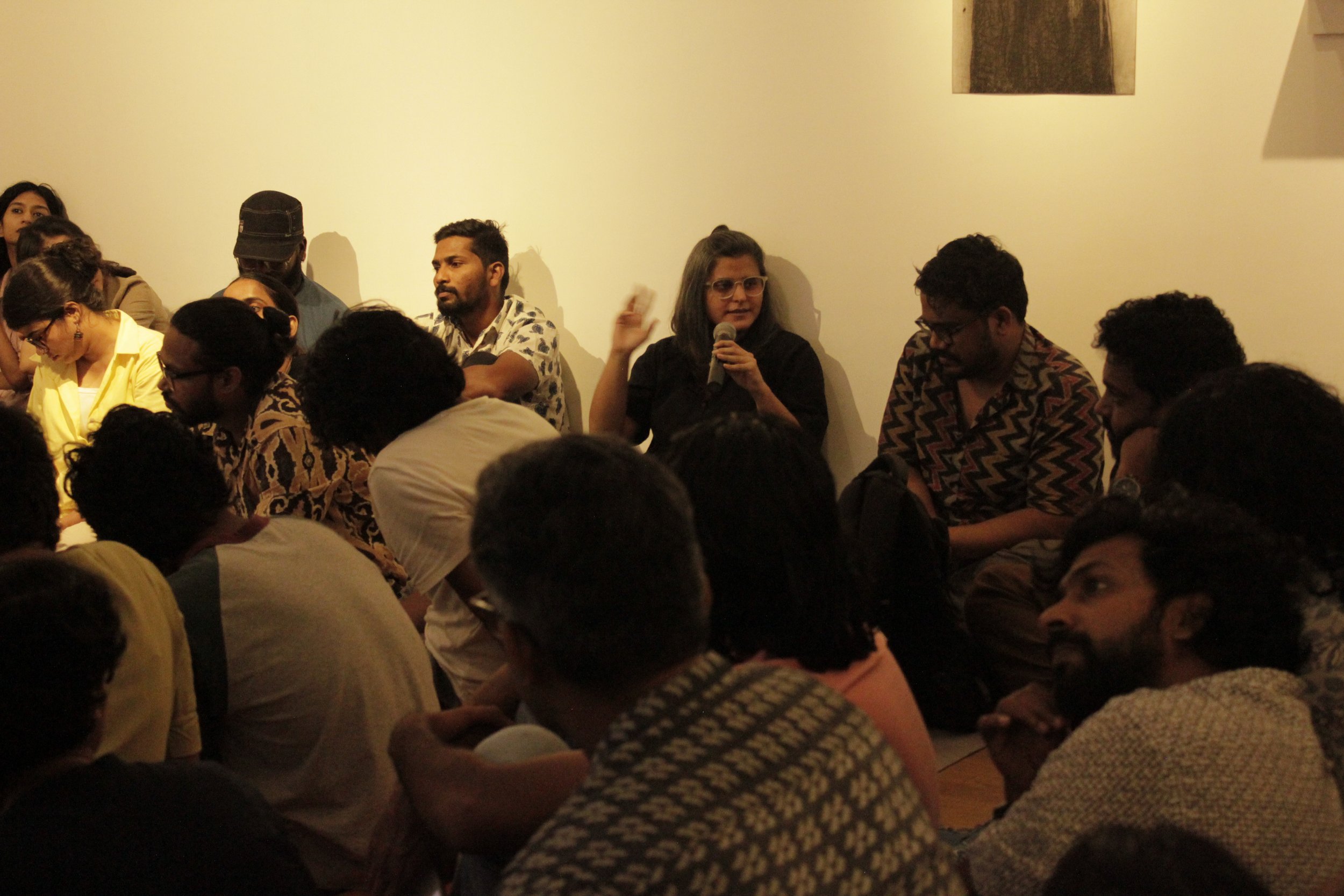
MOSFET Metaphysics; or, How to Uncompress a .DBAV File
Lecture/Performance/Theory-Jam with Vishal Kumaraswamy, Mithran RT Samuel, Suvani Suri, Praveen Ashokan and Rahee Punyashloka
This session gathers practitioners and thinkers of porous boundaries, image entanglements, and anti-caste speculation, to lay out the stakes and possibilities of anti-extractivist image-making in today’s techno-scientific zeitgeist.
How can the marginalized body imagine itself outside registers of surveillance? How can artistic creation refute logics of compression/reduction? How to inaugurate images, rituals, and protocols that defy encasing of value as mere data?