Futures in Formation: A Public Art Programme
A platform supporting Indian artists and collectives creating with
and within communities, publics, and environments
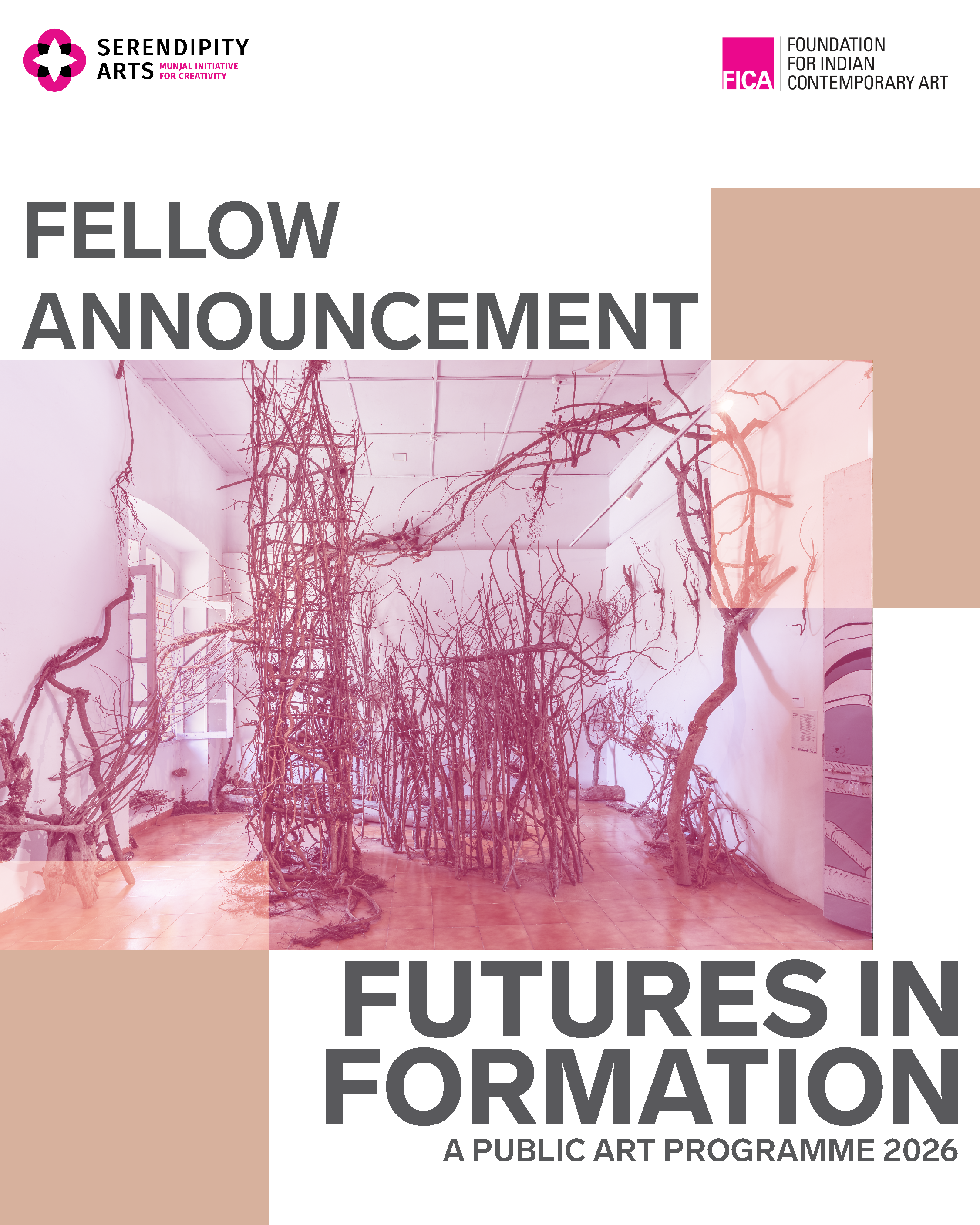
The Foundation for Indian Contemporary Art (FICA) and Serendipity Arts Foundation (SAF) present Futures in Formation: A Public Art Programme, supporting 3–5 Indian artists or collectives each year with up to ₹3 lakh per project. The programme fosters critical dialogues, imaginative collaborations, and expanded notions of the public realm through research, production, and dissemination, it invites proposals engaging diverse publics, communities, and environments across India.
For the second edition, the jury consisted of artist Yogesh Barve, Senior Manager for Art and Culture at the Goethe-Institut / Max Mueller Bhavan in New Delhi, Farah Batool, artist and educator Aastha Chauhan, and Vidya Shivadas, director at FICA.
We received over 120 applications this year, reflecting diverse approaches to publics and public art, and highlighting the possibilities of creative engagement in the public domain. The jury was inspired by the breadth of collaborative imaginations in circulation, paying close attention to the care, empathy, and criticality shaping proposed outcomes, and to how artistic gestures were framed as interventions and dialogues with evolving notions of the public.
The 2026 Futures in Formation cohort brings together proposals from across India, engaging with ecology and conservation, gender and caste identities, ways of belonging, and traditional knowledge systems and the labour sustaining them. FICA and SAF look forward to the connections, gatherings, and rich possibilities that will unfold through the year.
The Recipients
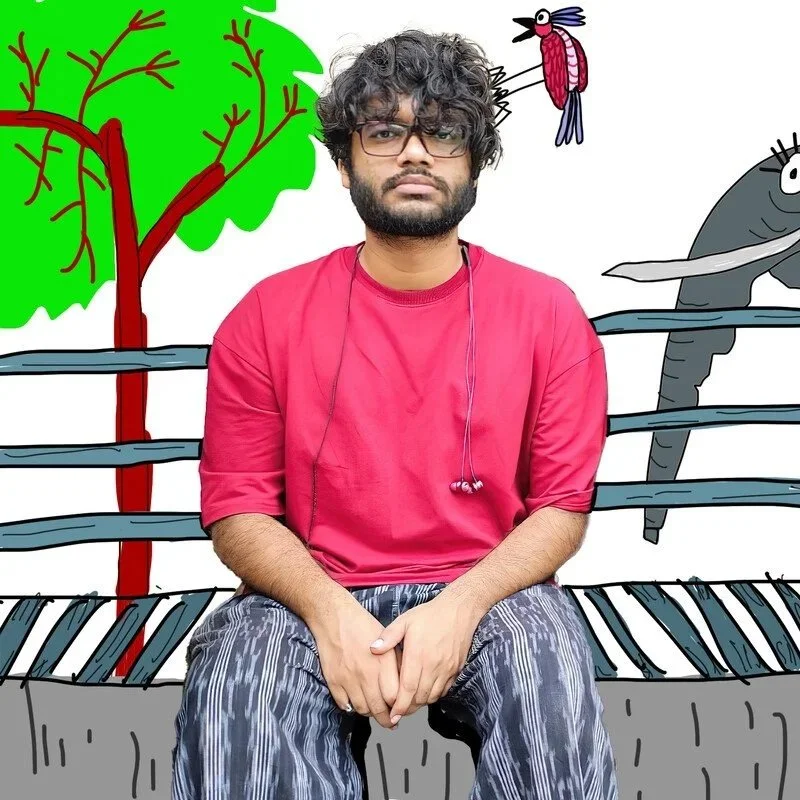
Adheep Das
Moustache Sun (Mooch Waala Sooraj) is an ongoing puppetry-animation project developed in collaboration with the Rajasthani kathputli community of Baba Faridpuri Transit Camp, Delhi. Drawing from the vast repertoire of kathputli puppetry, the project combines archival work, observational film, and the design of new, large-scale stop motion puppets to develop a collaborative language of image-making. Through workshops and collective-making within the colony, these puppets are brought to life in site-responsive narratives, activated as a durational, night-time animation-performance that occurs within the everyday life of the space
About the recipients:
Adheep Das trained first as a Chemical Engineer before studying filmmaking at the Film and Television Institute of India (FTII). His artistic work currently moves between film, animation, drawing, and puppetry, approaching them as connected practices. He is interested in how materials can be urged towards the point where the inanimate begins to feel alive. His work has been shown at DokLeipzig, IDSSFK, Dharamshala International Film Festival, Serendipity Arts Festival, amongst others.
Collaborators include Puran Bhatt, Akshay Bhatt, and Varun Bhatt (puppeteers), and Margaux Dauby (filmmaker).
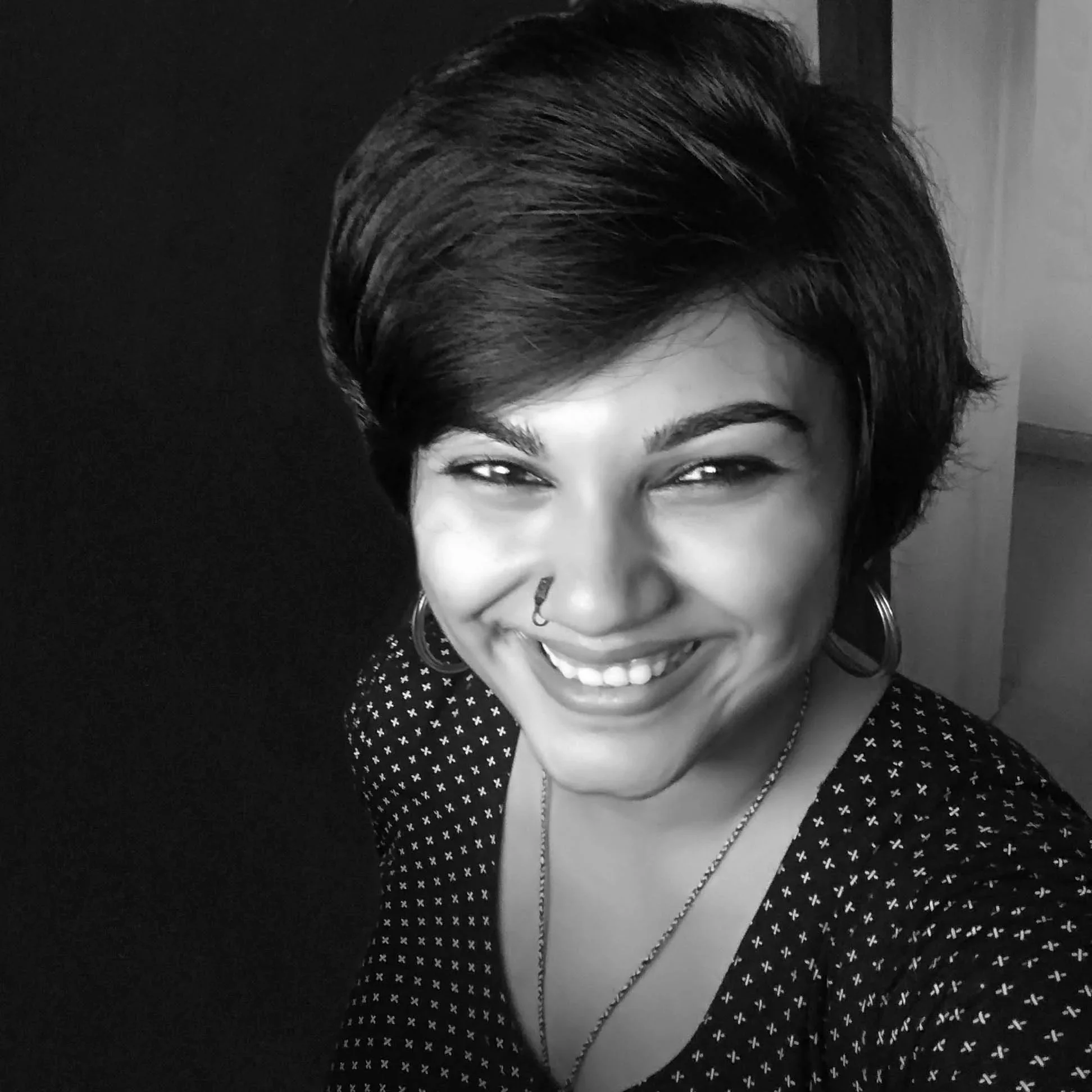
Bao
I am building a school that does not exist. Not in records. Not in stone. Only in the loose weave of old sarees and the stubborn prick of a needle. This is Savitrimai Phule’s Vidrohi Shala where I'm recreating her classroom as a public insurrection. A blackboard stitched from discarded handloom. Notebooks and slates made of cloth. Poems embroidered like open wounds on hanging fabric walls. The students here are strangers learning to unlearn. In this classroom, a Dalit woman reads Ambedkar aloud. Here, a Savarna woman stitches the word sorry into the fabric. Here, a child draws a sun that does not burn anyone. The classroom forgives nothing and remembers everything. It is a vidrohi space because the State writes new textbooks that erase lived experiences and it builds schools that perpetuate casteism. Come sit on the floor of this pluriversal feminist classroom. Take a needle. Leave a stitch. We must build this school together.
About the recipient:
Bao (they/she) is a Mumbai based artist, illustrator, and design researcher whose work lives at the intersection of caste, gender, politics, and visual design. She draws from her own life as an intercaste person, from the stories her Dalit mother and grandmother, and from the everyday violence that society inflicts on marginalized women. Her work unfolds as an act of re-building and of conjuring an anticaste feminist school not as a static institution, but as a breathing, fluid site of resistance and reimagination. Bao asks what it would mean to be truly casteless. She thinks often of Savitrimai as a rebellious force whose classroom is a casteless well of knowledge. Can art allow one to build such a pluriversal feminist casteless classroom in today’s day and age? Her illustrations and research move between anticaste feminist thought and the quiet labour of survival. She sees her work as a school without walls and a breathing place for unlearning hierarchy. Bao’s works have been exhibited at Walker's Point Center for the Arts in Wisconsin, Sister Library in Mumbai, and at University of Wisconsin-Madison. Her writings and illustrations have been featured in Futuress, The Troublemakers Magazine, Goya Journal, and Index on Censorship.
Maya.ank
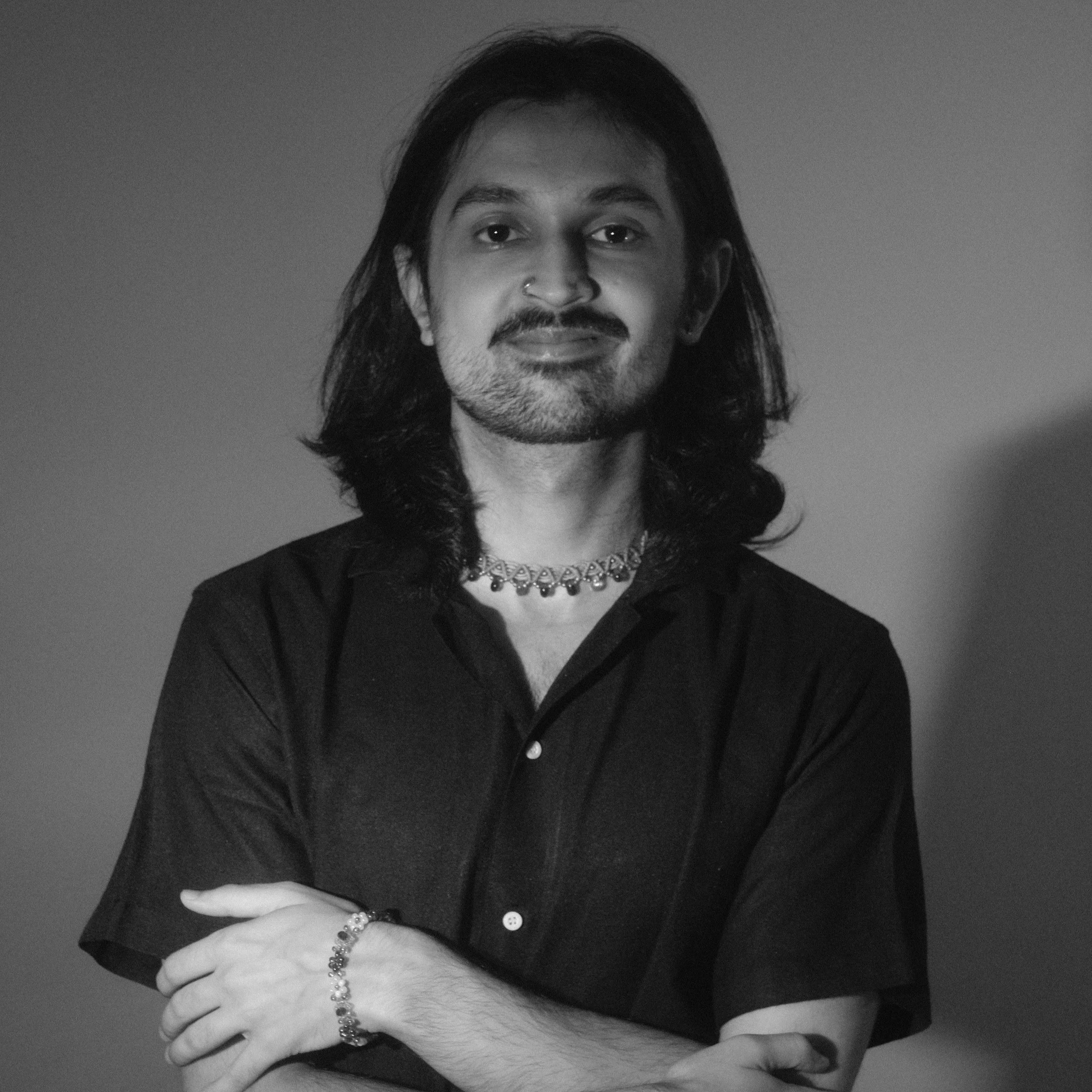
Queer Childhoods is a multimedia, research and archival project where I am facilitating conversations and interviews with queer individuals about their childhood photographs. Through this work, I approach these images through listening and orality in order to attune to the silences and ghostly spectres that may not be visible 'inside' the image but are there in the individual's imaginary. It prioritizes the agency of the adult queer individuals in rereading these photographs, facilitates a queer gaze into one’s own past and focuses on ‘listening’ to the photograph beyond seeing. By situating queerness beyond marginalisation, it uncovers alternative imaginaries of memory and time. The project has not just been about the reclamation of childhood by queer individuals but also about reclaiming the ‘time’ of childhood itself as queer.
In this project, I am working with oral history, personal archives, mixed modalities of listening and seeing; and the performativity of images.
About the recipient:
Maya.nk is a genderqueer artist-researcher whose work experiments with notions of material, memory and time. Their practice spans a vast spectrum of methodologies, research disciplines and mediums from photography, video and image-making to cultural and media studies, with a focus on queering the divisions and neatly packed boundaries between artistic, archival and research practice. Their exploration into media practice is attuned within a participatory approach that prioritises an ethics of listening in studying visuality.
Their work has been screened and exhibited at Queer East Film Festival, London (2026); Jaha Film Festival, Lisbon (2025); Beyond Borders Feminist Film Festival, Delhi (2025); COMMODE, New Zealand (2025); South Asian Playground exhibition/ Delhi chapter (2025); ‘Absolute Disorder’, Visual Studies exhibition, South Korea (2025); The Listening Academy, Delhi (2024) and Gender Bender Festival, Bangalore (2024). They have been awarded the Kirloskar Art Grant for Lens-Based Practitioners (2025); Jury Special Mention by Alkazi Foundation for Theatre Photography Grant (2025) and Gender-Bender seed grant by Sandbox Collective and Goethe-Institut, Bangalore (2024).
Saroj Kumar Badatya
This project focuses on grass as an important part of agricultural life, culture, and ecology. It looks at how grass connects human and non-human life, and how traditional knowledge around it is slowly disappearing.
By working in agricultural lands and neglected spaces, the project aims to document grasses and collect stories from local communities. The project will take place in two locations: Bhejiput village in Odisha and Phey village in Ladakh. These two places are very different in geography and climate, which will help in understanding the diversity of grass, farming practices, and cultural meaning. the project will create a grass library through structures made from grass paper, wood, and fabric. Incorporating locally collected grasses, drawings, books, prints, and natural pigments, these spaces will serve as living archives for sharing and preserving ecological and cultural knowledge.
About the recipient:
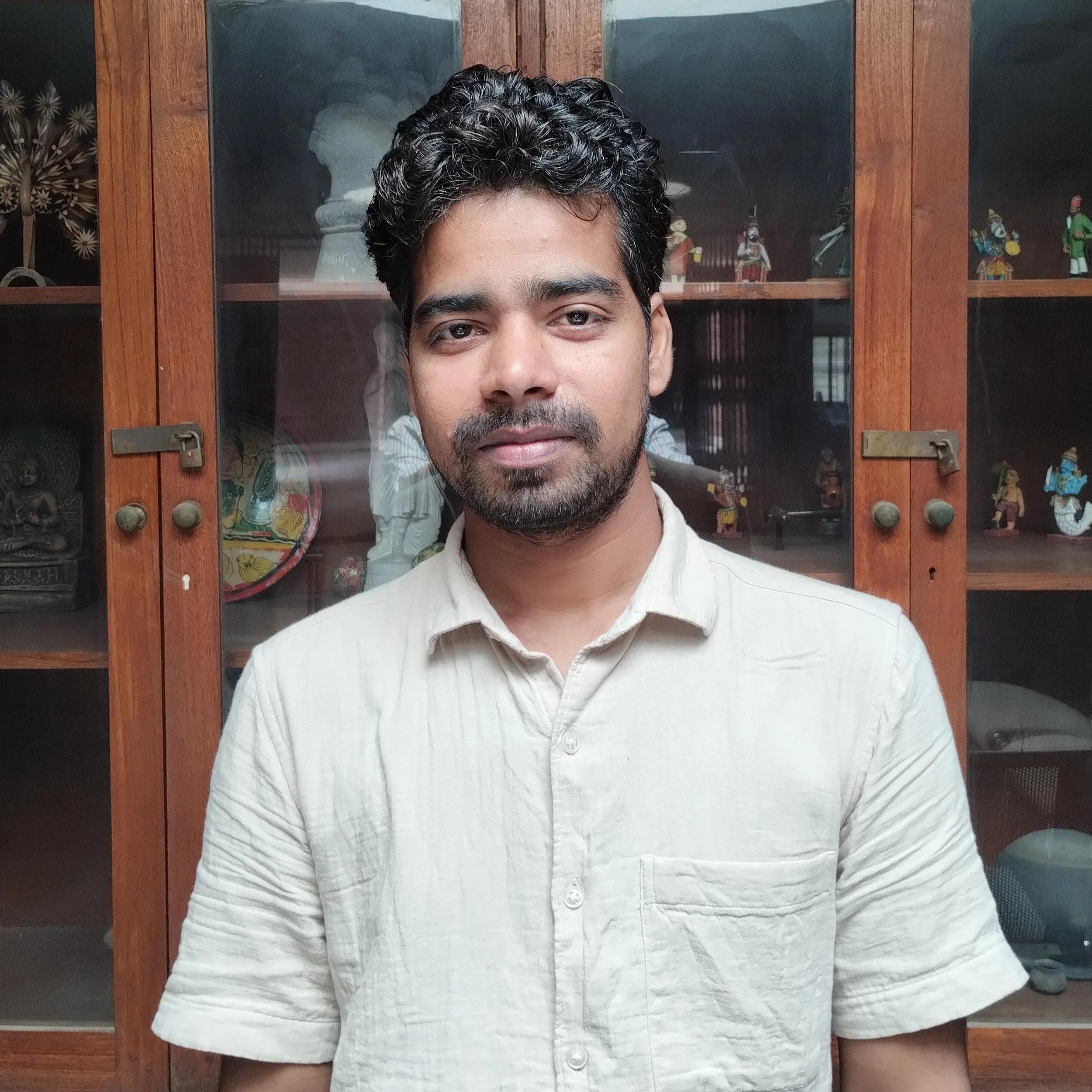
Saroj Kumar Badatya is a visual artist based in Odisha, India. His artistic practice explores the connection between grass, agriculture, climate change, traditional knowledge, and folk Odia folk culture. He meticulously researches and collects regional grasses, exploring their ecological and cultural significance through fieldwork and community engagement. He uses nontoxic printmaking, woodcut prints, natural pigments, drawing, and video to create immersive spaces for reflection on environmental and agricultural heritage. By collaborating with local farmers and communities, he uncovers stories of disappearing grass species, climate change, and shifts in traditional farming practices.
Untitled Kitchen & Karupp Art Studio
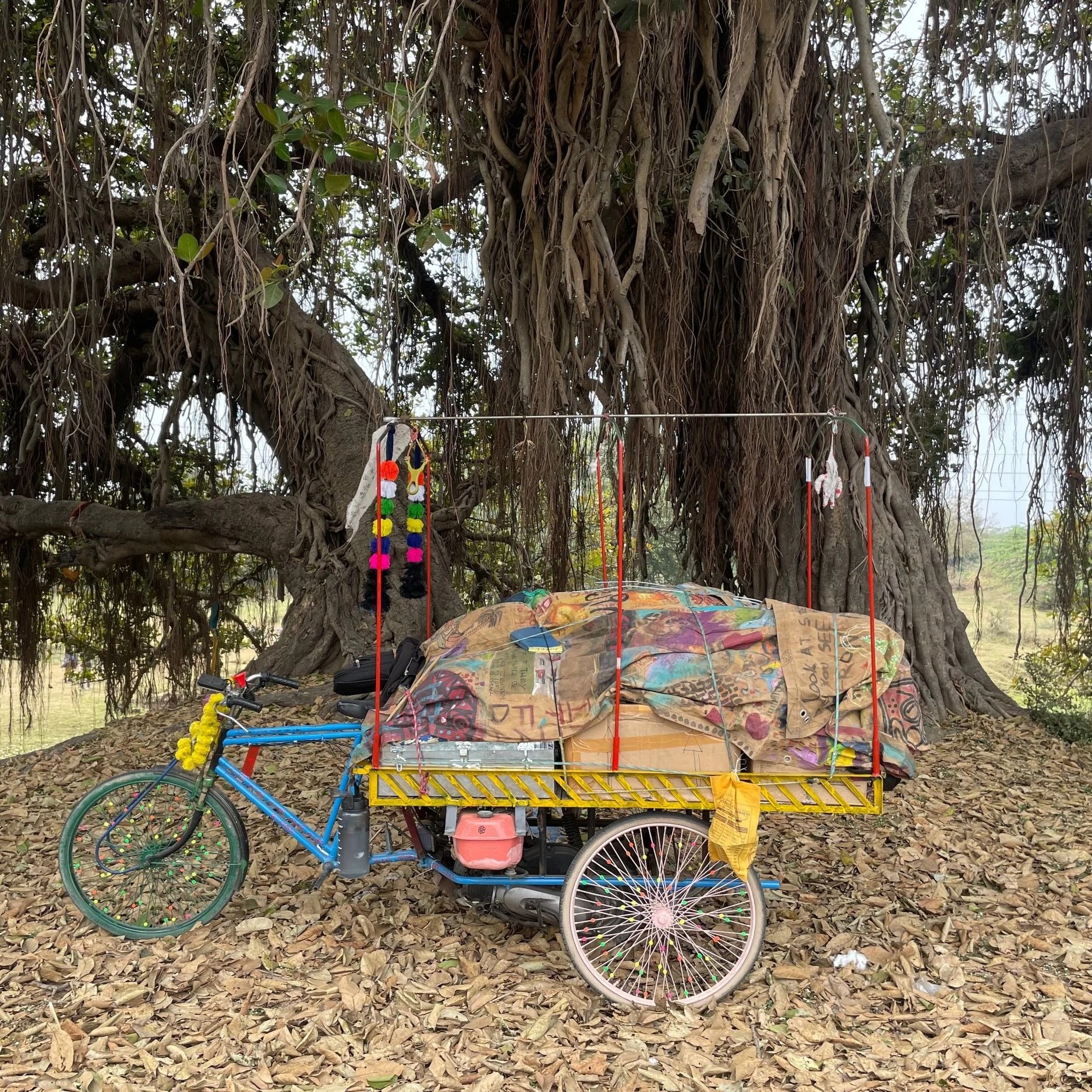
‘Saplings for the Future’ envisions a one-year, site-specific engagement at Karadipatti, Madurai, Tamil Nadu, where a shared space at Karuppu Art Studio is sustained through collective presence and ongoing participation. Artists, residents, and collaborators will come together to shape the space through everyday practices of making, conversation, and care. Through this durational commitment, Untitled Kitchen seeks to extend its practice from movement to spatiality, to explore the possibilities of a lived commons where the space itself becomes a site of exchange, memory, and relation, held in being together in time.
About the recipients:
Untitled Kitchen
Untitled Kitchen is an experimental, moving, collective kitchen rooted in creating micro-collectives through space-making, using food as a catalyst for chance encounters. It functions simultaneously as a studio and an assemblage of people, both familiar and unfamiliar coming together in shared moments of making with the urgencies shifting according to the context. At its core, Untitled Kitchen is an attempt to nurture parallel forms of collective practice alongside our individual pursuits, as people engaged in diverse lives and creative work. In a world marked by self-centeredness, religious polarization, systemic inequalities, and everyday violence, we advocate for small, collective spaces that center love, solidarity, and collective betterment.
Karupp Art Studio
Karuppu Art Studio, based in Karadipatti, a remote village in Madurai, Tamil Nadu, is an art space initiated and run by artist Saran Raj, who is also part of Untitled Kitchen. Founded in 2025, the studio emerged from a desire to make art part of the everyday life of Karadipatti, grounding artistic practice in the village’s language, labour, and social processes. Karadipatti is a village marked by histories of caste-based violence, the effects of which continue to shape everyday life even today. Through Karuppu Art Studio, Saran Raj seeks to create spaces for conversations around the lived experiences of his community. His practice attempts to draw the attention of the art world from urban centres and towards the margins and claiming it as the center.
Extended Support: Reshma Khatoon
Maa Ki Baat is a community art project that gathers the memories, stories, teachings, and emotional bonds tied to mothers. Through hands-on workshops in textile, drawing, and printmaking, participants explore how maternal advice and experiences passed down through generations continue to shape identity today.
Using embroidery, stitching, drawing, and printmaking, personal narratives become visual artworks. The project creates space to share stories, preserve memory, and strengthen community through creative expression. All processes and outcomes will be documented and shared in a public showcase celebrating participants’ voices and lived experiences.
About the recipient:
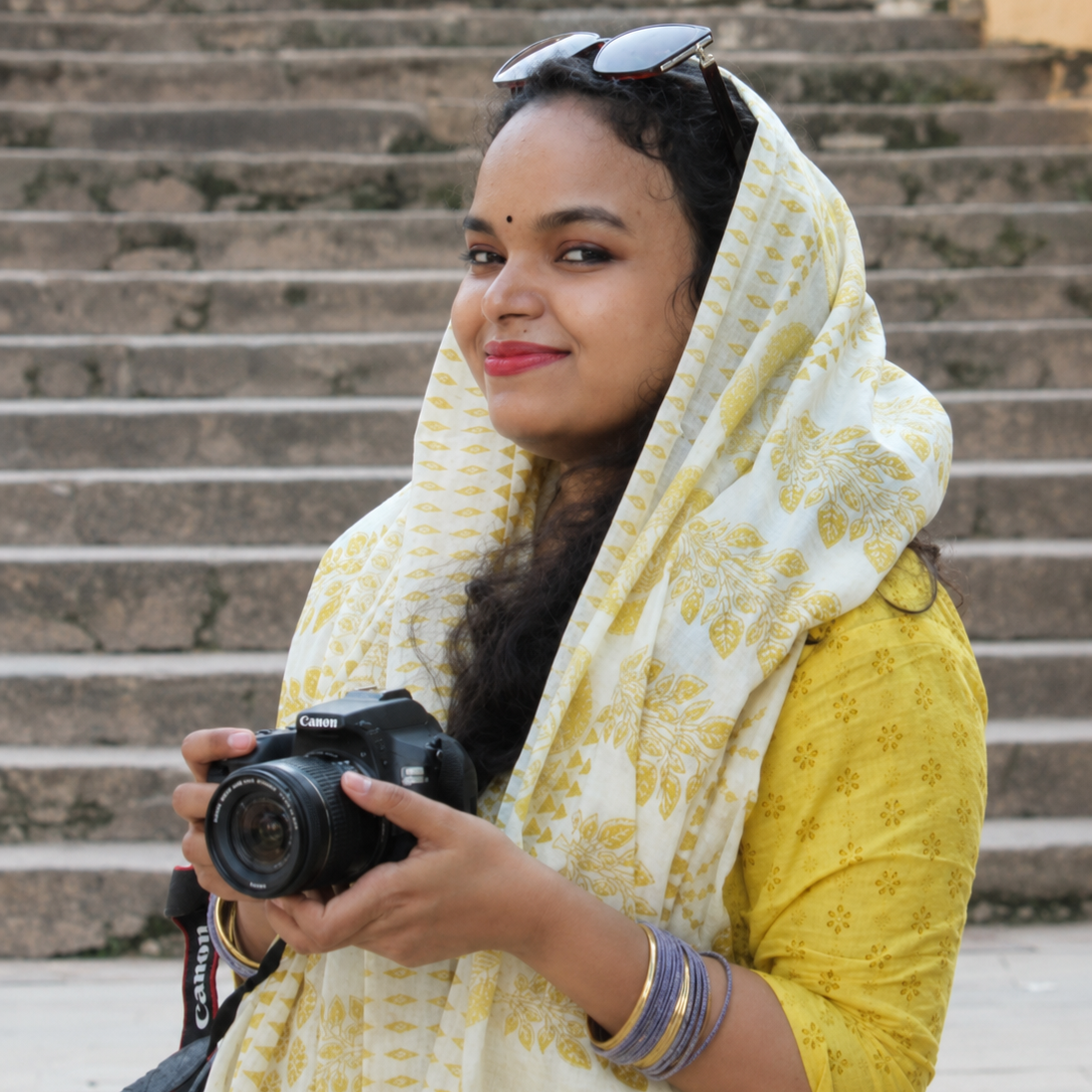
Reshma Khatoon is an art educator and interdisciplinary artist who uses creative practices to build safe and inclusive spaces for learning and self-expression. Through workshops with children and communities, she explores how art can nurture confidence, emotional awareness, creativity, and critical thinking. Her practice engages with themes of identity, memory, community, and lived experiences, often using participatory and process-based approaches. Reshma believes art can encourage reflection, dialogue, and connection, offering meaningful ways to understand ourselves and the world around us.
About Serendipity Arts Foundation (SAF)
Serendipity Arts Foundation is an organization that facilitates pluralistic cultural expressions, sparking conversations around the arts across the South Asian region. Committed to innovation and creativity, the aim of the Foundation is to support practice and research in the arts, as well as to promote sustainability and education in the field through a range of cultural and collaborative initiatives. The Foundation hosts projects through the year, which include institutional partnerships with artists and art organizations, educational initiatives, grants and outreach programmes across India.