

Acts of Re/Collection: A Gathering at Farm8
On 11 March, we organised Acts of Re/Collection, a gathering at Farm8 that brought together old and new friends of AgriForum to reignite conversations, discussions and sharings regarding intersections of the agrarian, with art and ecology. It was a rich coming together of ideas and practices, and we are grateful to all the attendees who made the time to share their experiences and practices and turn this into such a bountiful coming together. We are also grateful to Rashmi Kaleka and the entire team at Farm8 for being excellent hosts, and offering us an oasis—a loved, informative and hospitable site of congregation.
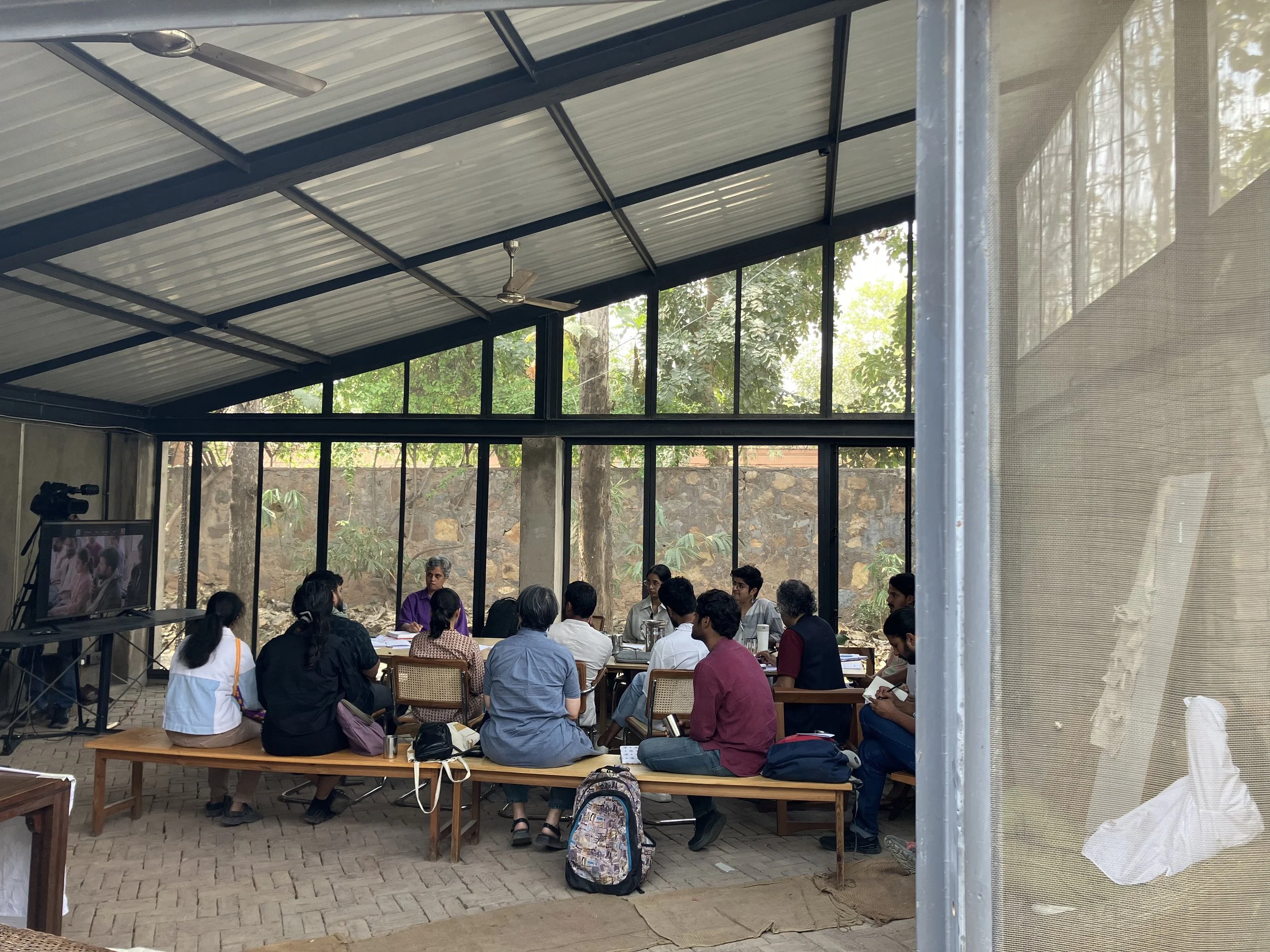
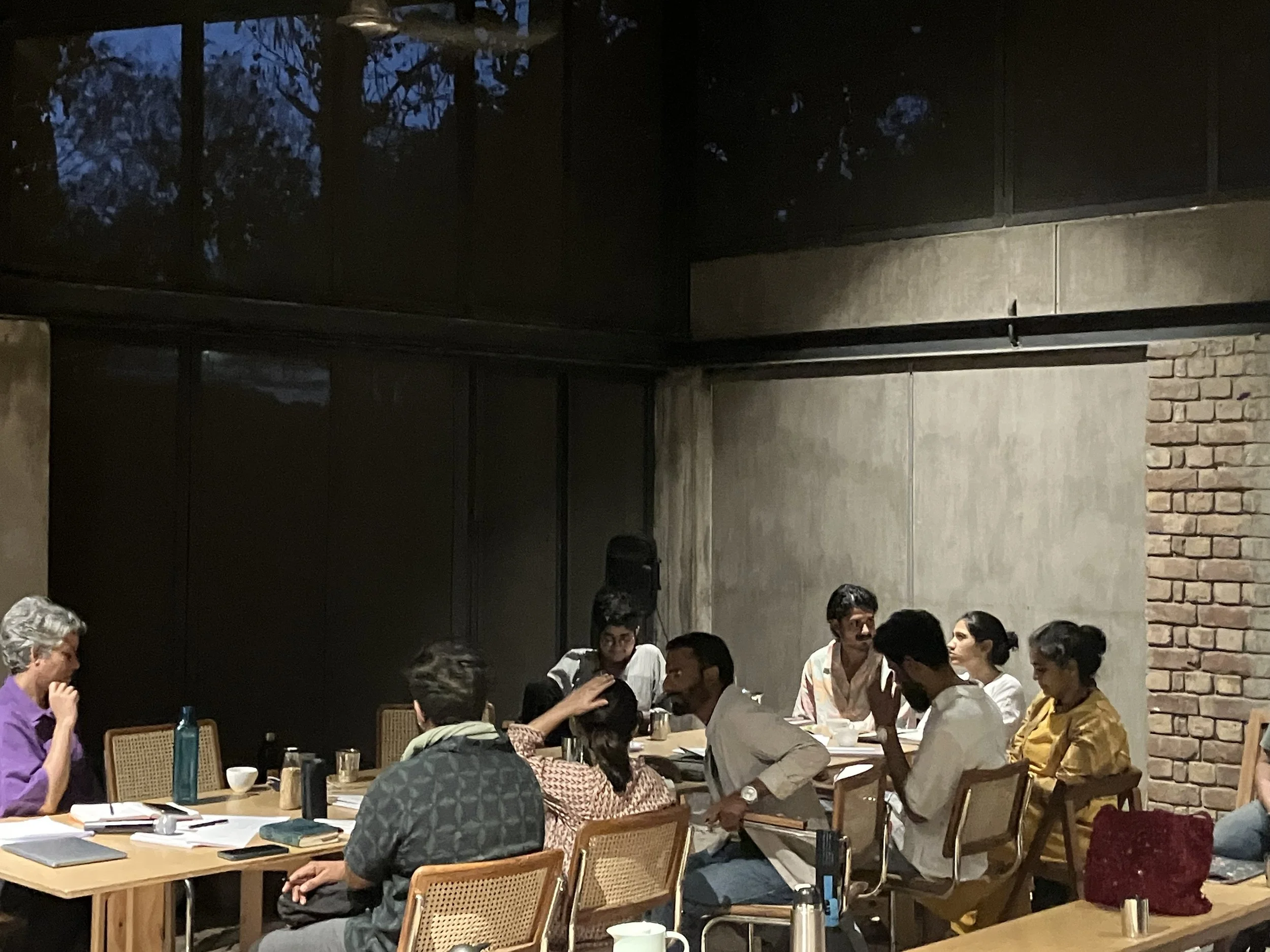
The presentations and conversations were free flowing and generative, often intersecting, often taking different trajectories from similar points of interests. Discussions included museological impulses and archives within the agrarian; alternate ways of collecting—excreta for an excreta museum, agricultural tools as social agents, and different possibilities of narratives on labour, myth, and storytelling. We also collected alternate modalities and possibilities of toxicity, decomposition and resuscitation as pertinent critiques and perspectives from which to see the contemporary moment. We also delved into care, into acts of tending and gathering which one may practice, and persist at.
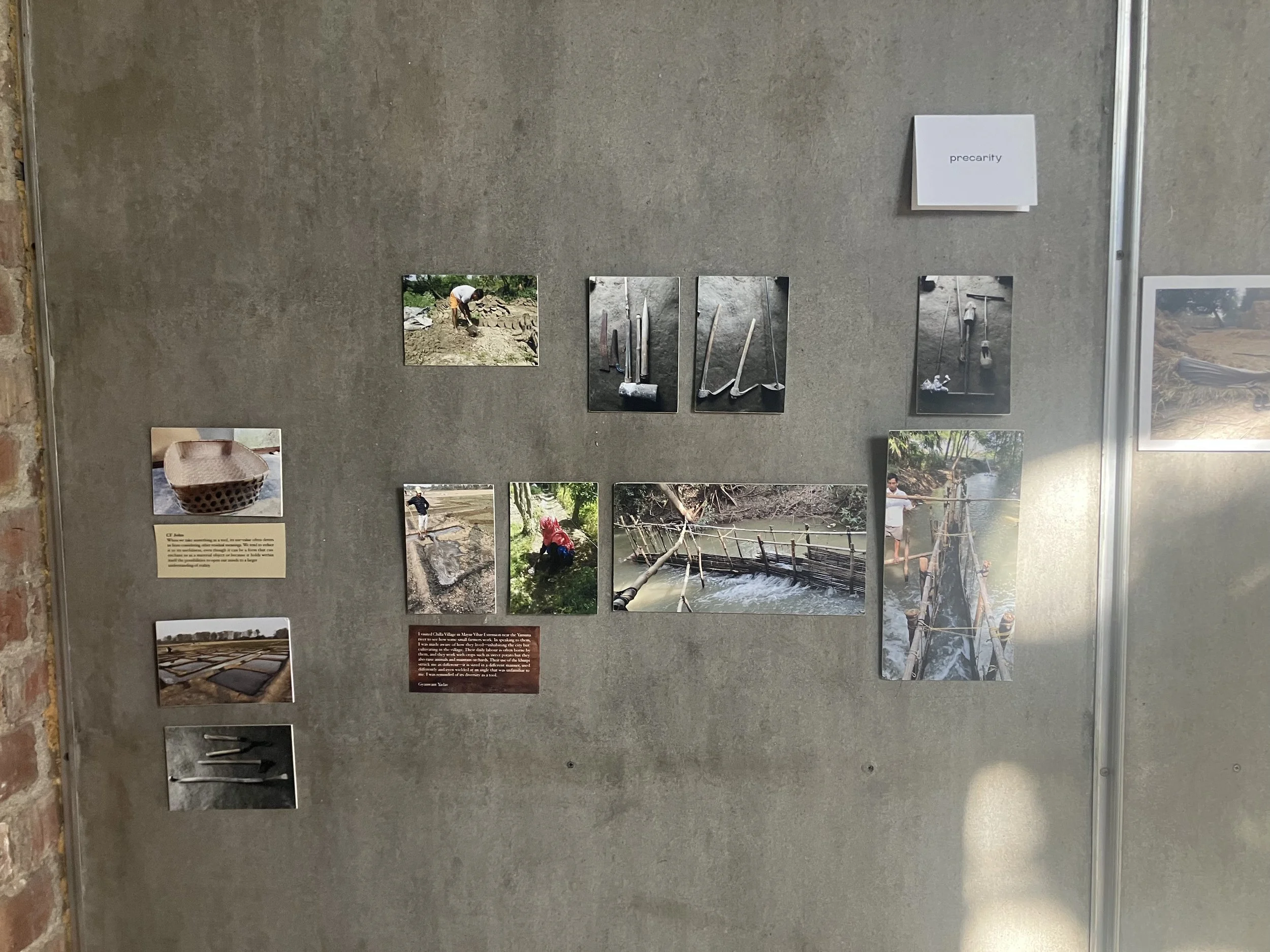
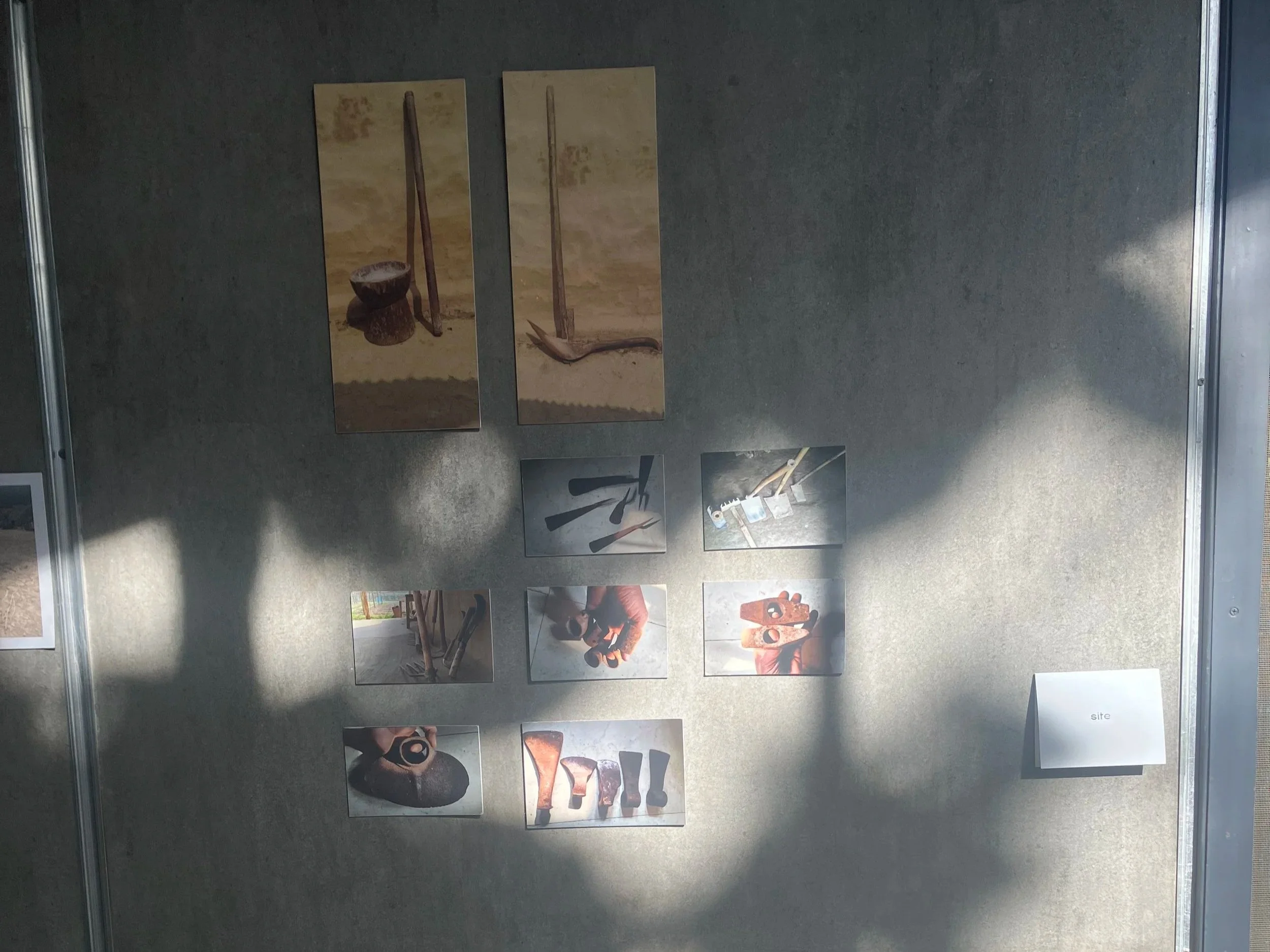
The gathering offered much food for thought—for food lies at the heart of most agrarian gatherings, where urgent and mounting challenges demand attention, collective reflection, and shared dialogue. We look forward to having more of these, continuing to unfurl the possibilities that AgriForum fosters and brews within its scope.
About Farm8:
Farm8 is a ‘biodiversity halfway-house’ in Ayanagar, the last urban village of South Delhi, located on the Mehrauli-Gurgaon road. It is nurtured by artist Rashmi Kaleka, a certified permaculturist, exploring what she terms ‘Environmental Emergency’ – loosely meaning habitats and survival, on Farm 8 amidst the gradual depletion of ground water in the area. Farm8’s mission is to be an environment that has functional elements such as perennial food systems, animal grazing and demonstration of sustainable living. It strives to be a productive system that will provide a model for local people to replicate in their own residences, land and farms.